
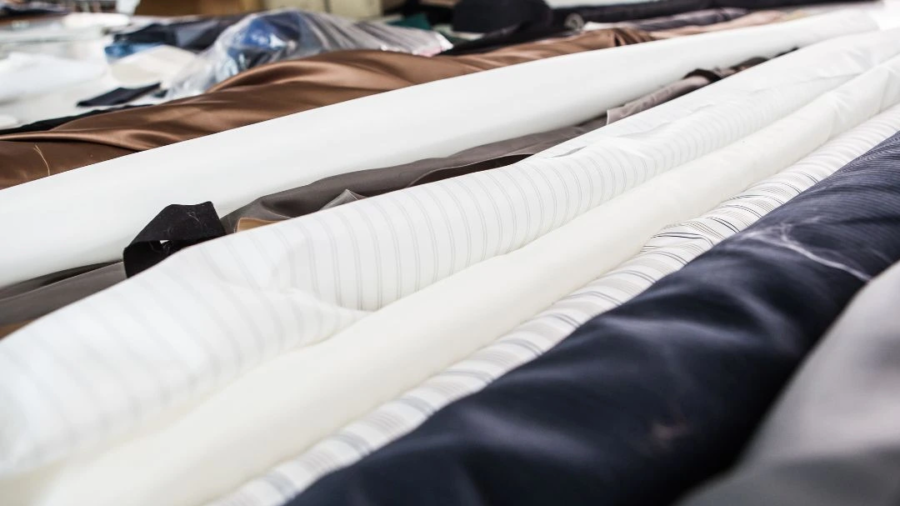
Rolls of different fabric materials, including cotton, polyester, and blended textiles, displayed in a workshop, highlighting texture and finish differences for fabric selection.

Cotton vs Polyester vs Blends: What Should You Choose?

Choosing the right fabric is one of the most important decisions when designing or ordering uniforms. The fabric you select directly impacts comfort, durability, maintenance, and overall employee satisfaction.

Among the most commonly used materials, cotton, polyester, and blended fabrics stand out. But which one is right for your business?

In this guide, we’ll break down the pros and cons of each fabric type to help you make an informed decision.

Why Fabric Choice Matters in Uniforms

Uniforms are worn for long hours in different environments—offices, factories, hospitals, or outdoor job sites. A poor fabric choice can lead to discomfort, faster wear and tear, and even increased costs over time.

That’s why working with an experienced uniform supplier in India can help ensure you select the right fabric based on your industry, climate, and usage.

1. Cotton: Comfort Comes First

Cotton is one of the most widely used natural fabrics in uniforms, known for its softness and breathability.

Advantages of Cotton:

  • Highly breathable and comfortable
  • Soft on the skin, ideal for long hours
  • Absorbs sweat effectively
  • Suitable for hot and humid climates

Limitations of Cotton:

  • Wrinkles easily
  • May shrink after washing
  • Less durable in high-friction environments
  • Slower drying compared to synthetic fabrics

Best Use Cases:

Cotton is ideal for:

  • Office staff uniforms
  • Hospitality roles
  • Healthcare environments
  • Indoor work settings

Many businesses working with a corporate uniform manufacturer in India prefer cotton for front-facing employees due to its comfort and premium feel.

2. Polyester: Built for Durability

Polyester is a synthetic fabric known for its strength and resilience. It is widely used in industrial and outdoor uniforms where durability is critical.

Advantages of Polyester:

  • Highly durable and long-lasting
  • Resistant to wrinkles and shrinking
  • Quick-drying and low maintenance
  • Retains color well even after multiple washes

Limitations of Polyester:

  • Less breathable than cotton
  • Can feel uncomfortable in hot weather
  • May trap heat and moisture

Best Use Cases:

Polyester is suitable for:

  • Industrial uniforms
  • Workers in physically demanding roles
  • Outdoor jobs
  • Environments requiring frequent washing

If durability is your top priority, polyester is often the preferred choice.

3. Poly-Cotton Blends: The Best of Both Worlds

Blended fabrics combine cotton and polyester to create a balance between comfort and durability. Common ratios include 65/35 or 80/20 blends.

Advantages of Blends:

  • Better durability than pure cotton
  • More breathable than pure polyester
  • Less wrinkling and shrinking
  • Easier to maintain
  • Cost-effective over time

Limitations of Blends:

  • Not as soft as 100% cotton
  • Not as strong as pure polyester in extreme conditions

Best Use Cases:

Blended fabrics are ideal for:

  • Corporate uniforms
  • Retail staff
  • Service industries
  • Light industrial roles

For many businesses, blends offer the most practical solution—especially when balancing comfort and longevity.

4. Cost Comparison: Short-Term vs Long-Term Value

Fabric choice also affects your budget.

  • Cotton: Moderate cost but may require frequent replacement
  • Polyester: Lower maintenance cost and longer lifespan
  • Blends: Balanced cost with better long-term value

Businesses often make the mistake of choosing cheaper options upfront without considering durability. This leads to higher replacement costs over time—one of the key issues highlighted in discussions around cheap vs quality uniforms.

5. Choosing the Right Fabric Based on Industry

Here’s a quick breakdown to help you decide:

IndustryRecommended Fabric
Corporate OfficesCotton or Blends
HospitalityCotton or Blends
HealthcareCotton or Blends
Industrial / ManufacturingPolyester or Blends
Outdoor WorkPolyester

Selecting the right fabric ensures that uniforms are not only functional but also aligned with the working environment.

6. Common Fabric Mistakes to Avoid

Many businesses face issues because of poor fabric selection.

Common mistakes include:

  • Choosing style over functionality
  • Ignoring climate conditions
  • Using the same fabric for all roles
  • Prioritizing cost over quality

These mistakes often result in discomfort, poor durability, and dissatisfaction—similar to the problems seen in bad uniform designs.

7. How to Make the Right Choice

When deciding between cotton, polyester, and blends, consider:

  • Work environment: Indoor vs outdoor
  • Climate: Hot, humid, or cold conditions
  • Job role: Physical vs desk-based
  • Maintenance needs: Frequency of washing
  • Budget: Short-term vs long-term cost

A strategic approach ensures your uniforms deliver both performance and value.

Final Thoughts

There is no one-size-fits-all answer when it comes to fabric selection.

  • Choose cotton for comfort and breathability
  • Choose polyester for durability and low maintenance
  • Choose blends for a balanced, versatile solution

The best choice depends on your specific business needs, workforce requirements, and operating conditions.

By working with the right experts, you can avoid costly mistakes and create uniforms that are comfortable, durable, and aligned with your brand.

At Uniform Supplier, we help businesses choose the right fabrics based on real-world usage—ensuring every uniform delivers the perfect balance of comfort, performance, and longevity.
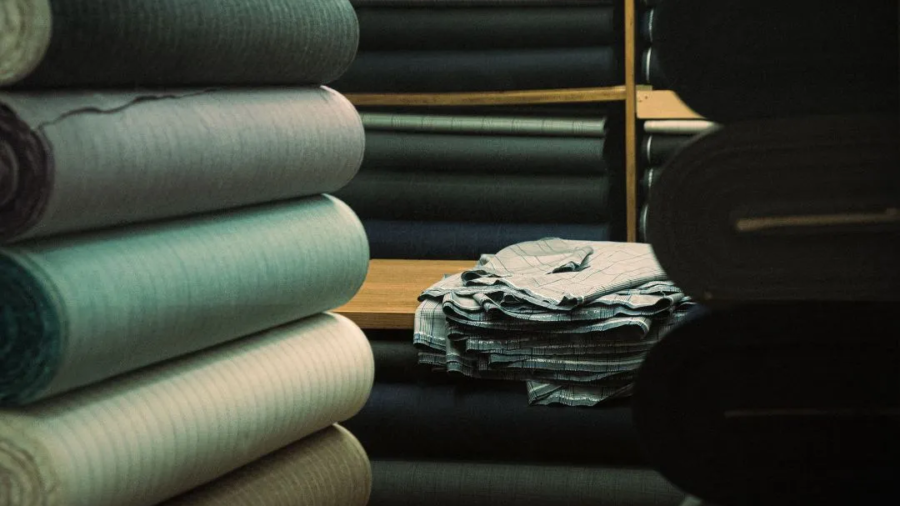
 

“Various stretch fabrics and textiles used in industrial uniform production

Are Stretch Fabrics Suitable for Industrial Uniforms?

Industrial uniforms have traditionally been associated with heavy, rigid fabrics designed for durability and protection. However, with advancements in textile technology, stretch fabrics are becoming increasingly popular in workwear.

But are they actually suitable for industrial environments?

In this blog, we’ll explore whether stretch fabrics are a good fit for industrial uniforms, their benefits, limitations, and when businesses should consider using them.

What Are Stretch Fabrics?

Stretch fabrics are materials that can expand and return to their original shape, usually made by blending fibers like cotton or polyester with elastane (spandex). This added flexibility allows garments to move with the wearer rather than restricting motion.

Stretch fabrics are already widely used in sportswear and casual clothing—but their entry into industrial workwear is relatively new.

1. Improved Mobility and Comfort

One of the biggest advantages of stretch fabrics is freedom of movement.

Industrial workers often:

  • Bend frequently
  • Lift heavy objects
  • Climb or crouch
  • Perform repetitive physical tasks

Traditional rigid uniforms can restrict these movements, leading to discomfort and fatigue. Stretch fabrics, on the other hand, allow workers to move more naturally, improving overall comfort during long shifts.

For companies investing in a high-performance workers uniform, comfort directly impacts productivity and efficiency.

2. Reduced Fabric Stress and Tearing

Rigid fabrics tend to tear or wear out faster at stress points such as:

  • Knees
  • Elbows
  • Shoulders

Stretch fabrics absorb this stress by expanding with movement instead of resisting it. This reduces the likelihood of:

  • Fabric tearing
  • Seam damage
  • Premature wear

When sourced from a reliable industrial uniform manufacturer in India, stretch-based workwear can offer both durability and flexibility.

3. Better Fit for Different Body Types

A common issue with industrial uniforms is inconsistent fit. Standard sizing often doesn’t accommodate all body shapes comfortably.

Stretch fabrics solve this problem by:

  • Adapting to different body types
  • Providing a more tailored fit
  • Reducing the need for frequent alterations

This results in a more professional appearance while ensuring workers feel comfortable throughout the day.

4. Enhanced Productivity on the Job

Comfort isn’t just about feeling good—it directly affects performance.

When workers are not restricted by stiff clothing:

  • They move faster and more efficiently
  • Experience less fatigue
  • Are less distracted by discomfort

This can lead to measurable improvements in productivity, especially in physically demanding roles.

5. Limitations of Stretch Fabrics

While stretch fabrics offer several advantages, they are not suitable for every industrial environment.

  • Not Ideal for High-Heat Environments

Stretch materials with elastane may not perform well under extreme heat or direct flame exposure.

  • Limited Chemical Resistance

Some stretch fabrics may not provide adequate protection against harsh chemicals or industrial spills.

  • Durability Depends on Fabric Quality

Low-quality stretch fabrics can lose elasticity over time, leading to sagging and reduced performance.

This is why choosing the right supplier is critical. Many businesses face issues similar to those highlighted in our guide on examples for bad uniform design, where poor fabric selection leads to long-term problems.

6. Where Stretch Fabrics Work Best

Stretch fabrics are ideal for industries and roles that require mobility over heavy protection, such as:

  • Warehousing and logistics
  • Maintenance teams
  • Light manufacturing
  • Field technicians
  • Supervisory roles

They are especially effective in environments where workers are constantly moving but are not exposed to extreme hazards.

7. Combining Stretch with Durability

The best approach is often a hybrid fabric solution.

Modern workwear uses:

  • Poly-cotton blends with added stretch
  • Reinforced panels in high-stress areas
  • Stretch zones in key movement areas (knees, back, shoulders)

This ensures a balance between:

  • Flexibility
  • Strength
  • Protection

An experienced uniform manufacturer in India can help design uniforms that combine these elements effectively.

Final Thoughts

So, are stretch fabrics suitable for industrial uniforms?

Yes—but with the right application.

Stretch fabrics are an excellent choice for improving comfort, mobility, and fit, especially in roles that require constant movement. However, they should be used carefully in environments where safety risks like heat, chemicals, or heavy abrasion are present.

The key is to match the fabric to the job.

For many businesses, the ideal solution is not choosing between stretch and traditional fabrics—but combining both to create a uniform that delivers performance, durability, and comfort.

At Uniform Suppliers, we help companies design smart workwear solutions tailored to their operational needs—ensuring every workers uniform is built for real-world performance.