
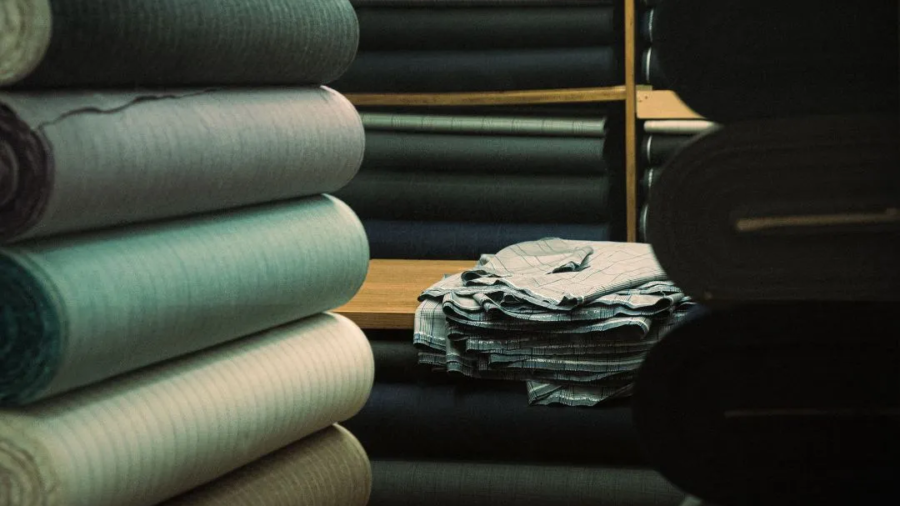
Industrial uniforms have traditionally been associated with heavy, rigid fabrics designed for durability and protection. However, with advancements in textile technology, stretch fabrics are becoming increasingly popular in workwear.
But are they actually suitable for industrial environments?
In this blog, we’ll explore whether stretch fabrics are a good fit for industrial uniforms, their benefits, limitations, and when businesses should consider using them.
What Are Stretch Fabrics?
Stretch fabrics are materials that can expand and return to their original shape, usually made by blending fibers like cotton or polyester with elastane (spandex). This added flexibility allows garments to move with the wearer rather than restricting motion.
Stretch fabrics are already widely used in sportswear and casual clothing—but their entry into industrial workwear is relatively new.
1. Improved Mobility and Comfort
One of the biggest advantages of stretch fabrics is freedom of movement.
Industrial workers often:
- Bend frequently
- Lift heavy objects
- Climb or crouch
- Perform repetitive physical tasks
Traditional rigid uniforms can restrict these movements, leading to discomfort and fatigue. Stretch fabrics, on the other hand, allow workers to move more naturally, improving overall comfort during long shifts.
For companies investing in a high-performance workers uniform, comfort directly impacts productivity and efficiency.
2. Reduced Fabric Stress and Tearing
Rigid fabrics tend to tear or wear out faster at stress points such as:
- Knees
- Elbows
- Shoulders
Stretch fabrics absorb this stress by expanding with movement instead of resisting it. This reduces the likelihood of:
- Fabric tearing
- Seam damage
- Premature wear
When sourced from a reliable industrial uniform manufacturer in India, stretch-based workwear can offer both durability and flexibility.
3. Better Fit for Different Body Types
A common issue with industrial uniforms is inconsistent fit. Standard sizing often doesn’t accommodate all body shapes comfortably.
Stretch fabrics solve this problem by:
- Adapting to different body types
- Providing a more tailored fit
- Reducing the need for frequent alterations
This results in a more professional appearance while ensuring workers feel comfortable throughout the day.
4. Enhanced Productivity on the Job
Comfort isn’t just about feeling good—it directly affects performance.
When workers are not restricted by stiff clothing:
- They move faster and more efficiently
- Experience less fatigue
- Are less distracted by discomfort
This can lead to measurable improvements in productivity, especially in physically demanding roles.
5. Limitations of Stretch Fabrics
While stretch fabrics offer several advantages, they are not suitable for every industrial environment.
- Not Ideal for High-Heat Environments
Stretch materials with elastane may not perform well under extreme heat or direct flame exposure.
- Limited Chemical Resistance
Some stretch fabrics may not provide adequate protection against harsh chemicals or industrial spills.
- Durability Depends on Fabric Quality
Low-quality stretch fabrics can lose elasticity over time, leading to sagging and reduced performance.
This is why choosing the right supplier is critical. Many businesses face issues similar to those highlighted in our guide on examples for bad uniform design, where poor fabric selection leads to long-term problems.
6. Where Stretch Fabrics Work Best
Stretch fabrics are ideal for industries and roles that require mobility over heavy protection, such as:
- Warehousing and logistics
- Maintenance teams
- Light manufacturing
- Field technicians
- Supervisory roles
They are especially effective in environments where workers are constantly moving but are not exposed to extreme hazards.
7. Combining Stretch with Durability
The best approach is often a hybrid fabric solution.
Modern workwear uses:
- Poly-cotton blends with added stretch
- Reinforced panels in high-stress areas
- Stretch zones in key movement areas (knees, back, shoulders)
This ensures a balance between:
- Flexibility
- Strength
- Protection
An experienced uniform manufacturer in India can help design uniforms that combine these elements effectively.
Final Thoughts
So, are stretch fabrics suitable for industrial uniforms?
Yes—but with the right application.
Stretch fabrics are an excellent choice for improving comfort, mobility, and fit, especially in roles that require constant movement. However, they should be used carefully in environments where safety risks like heat, chemicals, or heavy abrasion are present.
The key is to match the fabric to the job.
For many businesses, the ideal solution is not choosing between stretch and traditional fabrics—but combining both to create a uniform that delivers performance, durability, and comfort.
At Uniform Suppliers, we help companies design smart workwear solutions tailored to their operational needs—ensuring every workers uniform is built for real-world performance.