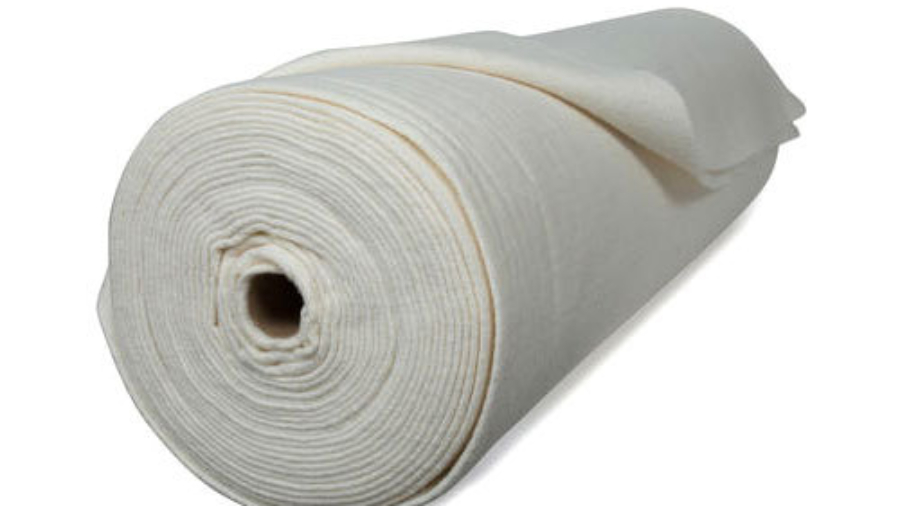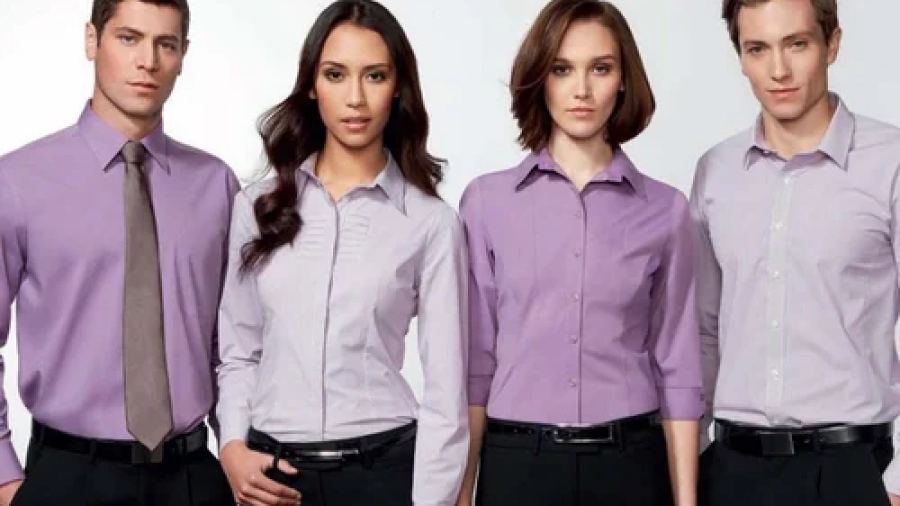
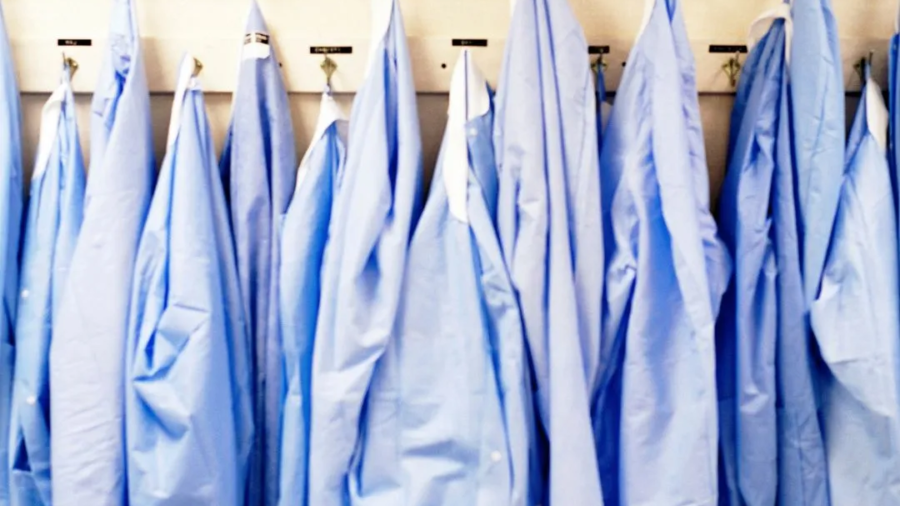
What Fabric Is Used for Medical Scrubs? - Uniform Supplier

What Fabric Is Used for Medical Scrubs?

In the fast-paced, high-stakes world of healthcare, every detail matters—right down to the clothing worn by medical professionals. Doctors, nurses, and support staff rely on their uniforms not just for identification, but for comfort, functionality, and safety during demanding shifts. Among these uniforms, medical scrubs stand out as a cornerstone of hospital attire, designed to meet the rigorous needs of clinical environments. 

A medical scrub suit refers to the standardized attire worn by healthcare professionals, typically consisting of a short-sleeved top and drawstring or elastic-waist pants. Originating in the early 20th century as a hygienic alternative to traditional uniforms, scrubs were designed to maintain cleanliness in operating rooms and clinical settings

But what exactly goes into making these essential garments? 

The fabric used for medical scrubs plays a pivotal role in their performance, ensuring they withstand the challenges of long hours, frequent laundering, and exposure to contaminants. For hospitals and doctors seeking reliable attire, understanding the materials and features behind scrubs is key to making informed choices. 

In this article, we’ll explore the fabrics that define a medical scrub suit, explain its purpose, highlight its critical features, and offer insights for healthcare institutions looking to equip their teams effectively.

Fabrics Used for Making Medical Scrubs

The fabric selection for medical scrubs is a careful balance of durability, comfort, and practicality. Here are the primary materials used:

  • Cotton: A natural fiber valued for its breathability and softness, cotton is a traditional choice for scrubs. It provides excellent comfort for extended wear and is hypoallergenic, making it suitable for sensitive skin. However, it may lack resistance to stains and wrinkles compared to synthetic options.
  • Polyester: Known for its strength and resilience, polyester is a synthetic fabric that excels in demanding environments. It resists wrinkles, repels stains, and dries quickly, making it ideal for the unpredictable nature of medical work. It is often blended with other fibers to enhance its properties.
  • Cotton-Polyester Blends: The most common fabric for modern scrubs, this blend combines cotton’s comfort with polyester’s durability. The result is a garment that offers breathability, stain resistance, and longevity—perfect for healthcare settings requiring frequent washing and wear.
  • Spandex: Added in small amounts, spandex introduces elasticity to scrubs. This enhances mobility, allowing doctors and nurses to perform tasks requiring flexibility without restriction. It is typically combined with cotton or polyester for a comfortable, professional fit.
  • Rayon: A semi-synthetic fiber, rayon contributes a lightweight, breathable quality to scrubs. While less common, it is prized for its smooth texture and is often blended with other materials to improve comfort in warmer climates.

Some hospital uniform manufacturers also incorporate antimicrobial treatments into these fabrics, providing an additional layer of protection against bacteria—a critical consideration in sterile environments.

Today, they serve a broader purpose, worn by surgeons, physicians, nurses, and technicians across various specialties. Beyond functionality, scrubs signify a commitment to patient care and professional standards, distinguishing staff in busy hospital wards.

Key Features of Medical Scrubs

Medical scrubs are engineered with features that cater specifically to healthcare demands:

  • Ample Storage: Multiple pockets provide convenient storage for instruments like stethoscopes, pens, and notepads, enabling quick access during patient interactions.
  • Ease of Maintenance: Designed to endure high-temperature laundering and resist stains, scrubs maintain their integrity despite frequent exposure to bodily fluids and disinfectants.
  • Comfort and Breathability: Lightweight, breathable fabrics ensure professionals remain comfortable during long shifts, even under intense lighting or physical exertion.
  • Flexibility: A relaxed fit, often enhanced with stretch materials, supports a full range of motion—crucial for tasks like lifting patients or reaching equipment.
  • Professional Appearance: Available in standardized colors or patterns, scrubs convey authority and facilitate role identification within healthcare teams.

Conclusion

For hospitals and doctors, the choice of medical scrubs is a decision that impacts both staff performance and patient safety. Fabrics like cotton, polyester, and their blends offer a spectrum of benefits—comfort, durability, and practicality—tailored to the unique demands of medical practice. With features such as robust storage, easy-care properties, and ergonomic design, scrubs are indispensable tools in the healthcare arsenal. 

As a leading uniform supplier in Mumbai, we understand the importance of quality attire. Equipping your team with the right scrubs ensures they can focus on what matters most—delivering exceptional care.

Uniform-Blog-Image (1)

How to Find the Right Uniform Manufacturer for Your Company?

Choosing the right uniform manufacturer is crucial for any business. Whether you run a corporate office, a hotel, a hospital, or an industrial unit, uniforms play a significant role in brand identity, employee comfort, and workplace professionalism. A well-designed uniform enhances your company’s image and ensures that employees feel confident and comfortable while performing their duties.

With many uniform manufacturers in the market, finding the right one can be overwhelming. Here’s a step-by-step guide to help you choose the best uniform manufacturer for your company.

Factors to Consider When Selecting A Uniform Manufacturer

  1. Define Your Requirements

Before you start looking for a manufacturer, it’s important to have clarity on your specific needs. Consider the following factors:

  • Industry Type: Different industries require different uniform materials and designs. A corporate office uniform is different from security or industrial uniforms.
  • Material Preference: Decide on the fabric type depending on the work environment. For example, industrial uniforms may need durable, fire-resistant fabrics, whereas corporate uniforms require a professional and polished look.
  • Customization Needs: Do you need logo embroidery, special colors, or specific stitching patterns? Understanding these requirements will help in choosing the right manufacturer.
  • Budget: Determine a budget that balances cost and quality. High-quality uniforms may require a bigger investment but offer durability and comfort.


  1. Research and Shortlist Manufacturers

Once you have defined your requirements, start researching uniform manufacturers. Here’s how you can do it:

  • Reviews and Ratings: Check customer reviews and testimonials on websites, Google, and social media to understand the reputation of different manufacturers.
  • Industry References: Ask for recommendations from businesses in your industry that have experience working with uniform suppliers.
  • Portfolio and Past Work: Look at the manufacturer’s past projects to assess their experience and quality standards.


  1. Check Fabric Quality and Durability

The quality of fabric plays a vital role in employee comfort and the uniform’s lifespan. When evaluating a uniform manufacturer:

  • Request Fabric Samples: Always ask for fabric samples before placing a bulk order. Test for softness, durability, and shrinkage.
  • Material Suitability: Ensure the fabric is suitable for the work environment. For example, hotel staff may need stain-resistant uniforms, while hospital staff require breathable fabrics.
  • Eco-Friendly Options: If sustainability is a priority for your company, check if the manufacturer offers eco-friendly or organic fabric options.


  1. Assess Customization and Branding Options

Your company’s uniform should reflect its brand identity. A good manufacturer should offer:

  • Logo Embroidery and Printing: Ensure they provide high-quality embroidery or screen printing for branding purposes.
  • Color and Design Matching: The manufacturer should be able to match your brand colors accurately.
  • Tailored Fit and Sizes: Employees come in different body types, so the manufacturer should offer a range of sizes and tailored fits for comfort.


  1. Verify Production Capacity and Lead Time

If you need uniforms in bulk, it’s important to ensure that the manufacturer has the production capacity to meet your requirements.

  • Check Turnaround Time: Ask how long it takes to complete an order and whether they can meet your deadlines.
  • Scalability: If your company expands, the manufacturer should be able to handle larger orders in the future.
  • Order Flexibility: Check if they allow small-batch orders initially, which can be helpful when testing new designs.


  1. Consider Cost and Value

Price should not be the sole deciding factor, but it’s important to get value for your money. When comparing costs:

  • Get Multiple Quotes: Obtain price quotes from different corporate uniform manufacturers and compare based on quality, service, and durability.
  • Understand Hidden Costs: Check for additional charges such as shipping, customization, and alterations.
  • Bulk Discounts: Ask if the manufacturer offers discounts for bulk orders.


  1. Evaluate Customer Service and Communication

A good uniform manufacturer should have strong customer service and clear communication channels. Before finalizing a supplier:

  • Check Responsiveness: Are they quick to respond to queries and provide necessary details?
  • Transparency: Do they provide clear timelines, policies, and pricing without hidden costs?
  • After-Sales Support: Check if they offer alterations, repairs, or replacements in case of defects.


  1. Visit the Manufacturer (If Possible)

If feasible, visit the manufacturer’s facility to:

  • Inspect Their Production Process: See how uniforms are made and check for quality control measures.
  • Meet Their Team: Get to know the people behind the production and assess their expertise.
  • Assess Work Ethics: Ensure they follow ethical labor practices and environmental sustainability.


  1. Look for Long-Term Partnerships

Choosing the right uniform manufacturer is not just about a one-time purchase. It’s about building a long-term relationship with a supplier who understands your brand’s needs and grows with your company.

  • Reliability: Ensure they can consistently deliver quality uniforms on time.
  • Innovation: A good manufacturer should keep up with trends and suggest new materials or designs to improve your uniforms.
  • Flexibility: They should be open to modifications and adjustments based on your evolving needs.

Conclusion

Finding the right school uniform manufacturer in India or a workers uniform supplier requires thorough research and careful evaluation. The right manufacturer will offer high-quality materials, excellent customization, and reliable service, ensuring your uniforms align with your company’s brand identity and values. By following the above steps, you can select a manufacturer that meets your needs and fosters a strong, long-term partnership for your company’s uniform requirements.

Uniform-Blog-Image

What Material is Used to Make School Uniforms?

School uniforms are a crucial part of a student’s life, representing discipline, unity, and the unique identity of their educational institution. But beyond their symbolic value, the materials used in crafting school uniforms play a vital role in ensuring comfort, durability, and affordability. As a leading school uniform manufacturer in India, we ensure that schools carefully select the right fabric for their uniforms, as it directly impacts students’ day-to-day activities and overall well-being.

In this blog, we’ll dive into the most commonly used materials for making school uniforms, their advantages, and how they cater to the needs of students and schools alike.

Common Materials Used in School Uniforms

  1. Cotton

Cotton is one of the most popular materials for school uniforms. Known for its softness and breathability, cotton keeps students comfortable, especially in warm climates. It allows air circulation, reducing the chances of skin irritation and sweating.

Advantages of Cotton:

  • Natural and hypoallergenic
  • Lightweight and comfortable
  • Excellent moisture absorption
  • Ideal for hot and humid regions

However, pure cotton can wrinkle easily and shrink after washing, so it is often blended with synthetic fibers for better performance.

2. Polyester

Polyester is a synthetic fabric widely used in school uniforms due to its durability and resistance to wear and tear. This material is ideal for active students as it holds up well against frequent washing and rough use.

Advantages of Polyester:

  • Highly durable and long-lasting
  • Wrinkle-resistant and retains shape
  • Affordable and easy to maintain
  • Dries quickly

While polyester offers excellent durability, it is less breathable than natural fibers like cotton. Therefore, polyester is often blended with cotton to balance comfort and resilience.

3. Poly-Cotton Blends

A blend of polyester and cotton combines the best features of both fabrics, making it a preferred choice for school uniforms. These blends are typically used for shirts, trousers, and skirts as they provide durability without compromising comfort.

Advantages of Poly-Cotton Blends:

  • Soft and breathable like cotton
  • Durable and wrinkle-resistant like polyester
  • Cost-effective and easy to maintain
  • Suitable for various climates

Poly-cotton blends are versatile and work well for both summer and winter uniforms, making them an excellent all-season option.

4. Wool

Wool is commonly used for winter school uniforms, such as sweaters, blazers, and coats. Its natural insulating properties keep students warm during colder months.

Advantages of Wool:

  • Excellent insulation for cold weather
  • Soft and comfortable
  • Durable and long-lasting

However, wool can be more expensive than other materials and requires special care during washing to prevent shrinkage or damage.

5. Gabardine

Gabardine is a tightly woven fabric made from wool or a blend of wool and polyester. It is commonly used for trousers, skirts, and blazers in school uniforms.

Advantages of Gabardine:

  • Durable and resistant to wear
  • Maintains its structure and shape
  • Resistant to water and stains

Gabardine offers a polished, professional appearance, making it a popular choice for formal uniform elements.

6. Knitted Fabrics

Knitted fabrics like jersey and interlock are used for sports uniforms, sweaters, and cardigans. These materials are stretchable, comfortable, and suitable for activewear.

Advantages of Knitted Fabrics:

  • Stretchable and flexible
  • Soft and comfortable for sports and physical activities
  • Lightweight and easy to maintain

Knitted fabrics are ideal for items like T-shirts and track pants, ensuring students can move freely during sports and extracurricular activities.

Key Considerations When Choosing Materials for School Uniforms

When selecting fabrics for school uniforms, the following factors are typically considered:

  • Comfort: Students wear uniforms for long hours daily, so the material must be breathable, soft, and non-irritating to the skin.
  • Durability: School uniforms need to withstand frequent washing, rough usage, and daily wear without tearing or fading.
  • Affordability: The material must be cost-effective to ensure the uniforms are accessible to students from all economic backgrounds.
  • Ease of Maintenance: Fabrics should be easy to wash, quick to dry, and require minimal ironing.
  • Weather Suitability: Uniforms should be appropriate for the local climate, offering comfort during hot summers and protection in colder weather.

Seasonal Considerations in School Uniform Fabrics

To accommodate seasonal changes, schools often provide different uniforms for summer and winter:

  • Summer Uniforms: Lightweight, breathable fabrics like cotton and poly-cotton blends are preferred to keep students cool and comfortable.
  • Winter Uniforms: Heavier fabrics like wool, gabardine, and fleece are used for warmth and insulation during colder months.

Why Does the Right Fabric Matter?

Choosing the right material for school uniforms ensures not only the comfort and satisfaction of students but also reflects the professionalism and reputation of the school. Uniforms crafted from high-quality fabrics promote a positive image of the institution and instill a sense of pride among students.

We understand the importance of selecting the perfect materials to meet the unique needs of schools across the country. From sourcing premium fabrics to ensuring precise stitching and customization, our team is dedicated to delivering uniforms that are both functional and stylish.

How a Professional Uniform Manufacturer Can Help?

Collaborating with a professional uniform manufacturer in India ensures that your school uniforms are crafted with care and attention to detail. A reliable manufacturer can offer:

  • Customized designs that incorporate the school’s logo and branding
  • A wide variety of fabric options to suit different climates and budgets
  • Expertise in creating durable, comfortable, and easy-to-maintain uniforms
  • Timely delivery and efficient production processes

Whether you need uniforms for summer or winter, sports or academics, partnering with an experienced manufacturer can simplify the process and ensure quality results.

Conclusion

The materials used in school uniforms play a significant role in defining the comfort, durability, and overall appeal of the attire. By selecting the right fabrics and working with a trusted school uniform manufacturer in India, schools can provide students with uniforms that support their academic and extracurricular endeavors while reflecting the institution’s values.

From breathable cotton for summer wear to durable wool for winter uniforms, the fabric choice makes all the difference in creating uniforms that students wear with pride and confidence.

scrub-styles

The Color of Scrubs: Significance for the Doctors

In healthcare, everything matters-from the medical procedures down to the uniforms worn by doctors. Of all these, among the most important but nevertheless overlooked features happens to be that of the color of scrubs. This feature affects not just the performance and comfort of the health professionals but the perception and emotions of the patients treated by them. As one of the leading manufacturers and suppliers of uniforms in Mumbai, we realize the significance of choosing the right color for doctors’ scrubs. In this article, we will explain in detail why colors are selected for scrubs and what their impact is on the healthcare environment.

1. From White to Colour: The Evolution of Scrubs

Traditionally, white uniforms denoted cleanliness and purity. However, they have been run out of town for coloured scrubs since white causes an eye problem under some harsh lights inside hospitals. In addition, any white stains resulting from any body fluid are highly visible, which creates discomfort among the staff and patients.

Thus, the driving forces towards coloured scrubs were practicality, comfort, and psychological benefits. Green and blue became increasingly accepted colours in medical facilities because of several reasons which included their soothing effect and their incapability to show stains as compared to white.

2. The Psychological Impact of Scrub Colours

The color of the doctor’s scrubs will have an effect on how the interaction with them is perceived by the patient. Color psychology studies indicate that different shades produce specific emotions, such as in the following:

  • Blue: This is generally considered the most popular scrub color since it reflects calmness and a feeling of trust. It gives a sense of calm in high-pressure areas within hospitals.
  • Green: This is also a common colour, soothing to the eyes, and is often credited with a refreshing and cooling effect. Hence, this colour is very helpful in surgical settings where doctors are required to concentrate for long periods.
  • Grey: This is a neutral colour but associated with professionalism and subtlety. It’s often chosen for departments where neutrality and seriousness are paramount.
  • Purple: Associated with luxury and creativity, purple is used in specialized departments such as pediatrics, where it can add much playfulness to make the atmosphere more comforting for young patients.

These colors contribute immensely to minimizing anxiety among patients, especially when people find themselves in generally stressful environments such as emergency rooms or operating theatres.

3. Scrub Colours – The Practical Considerations

While the psychological effect is important, practical considerations should also drive the choice of scrub colors. Hospitals and other medical facilities need functional uniforms that facilitate safety, hygiene, and durability.

  • Concealment of stains: Medical professionals are frequently exposed to bodily fluids. Darker shades, such as navy blue, black, or dark green, can help camouflage these stains and make one appear clean throughout a shift.
  • Reduces Eye Strain: The bright and sterile lights of the hospitals lead to eye fatigue. Furthermore, when there are white uniforms, it gets even more problematic. Soft green or blue colours are cool for the eyes and thus help medical professionals in keeping up during the critical moments.
  • Colour coding: Many hospitals use different scrub colours to identify which department a person belongs to, or what their role may be. Such segregation can be done by having surgeons wear green, nurses in blue, and gray for administrative people. Colour-coding of this nature smoothes out operations and helps immensely in communications for busy healthcare environments.

4. Some Common Scrub Colours and Their Associated Roles

There are a number of colours in use in medical settings, every one of them an almost universally adopted norm:

  • Light Blue: This is an internationally accepted color that spells cool and professionalism. It is especially perfect for high-stress areas in hospitals, such as the emergency room or surgery centers.
  • Teal/Aqua: These colors of blue-green are fresh, relaxing, and tend to function in settings where patients need to be at ease, such as clinics or maternity wards.
  • Navy Blue: Darker in hue, navy blue blends formality and functionality well. It is widely used in departments where dirt and stains are more evident, and for senior medical persons when the aura of authority needs to be shown.
  • White: Though not very common today, yes, white scrubs do exist in places like labs and dermatology, where one needs to show cleanliness and purity.
  • Black: A modern choice, black scrubs denote professionalism, sophistication, and authority. They are often worn by ranking personnel or specialists in private practices.
  • Pastels: Light, soft shades of pink, lavender, and yellow are sometimes applied to pediatric units in an attempt to create a friendly, warm atmosphere for children.

5. Material and Fabric Choices in Scrub Design

Colour is not the only factor that determines choice for scrubs. Material and fabric play a significant role in providing comfort, durability, and hygiene. The fabrics are expected to be breathable and resistant, being easy to clean since scrubs are continuously washed at very high temperatures.

Some of the common fabrics worn by medical professionals are:

  • Cotton-blends: This offers breathability and comfort and will be ideal during long shifts.
  • Polyester-blends: Added durability and resistance to stains that polyester-blended scrubs offer make them ideal for high-demanding environments such as casualty or emergency rooms.
  • Anti-microbial fabrics: The increasing trend within healthcare settings, such fabrics are resistant to bacteria and odors, offering safety increase to the healthcare worker engaging them.

6. Role of a Leading Uniform Manufacturer and Supplier in Mumbai

Being one of the leading uniform manufacturers and suppliers in Mumbai, we know the exact needs of the field. Our competency lies in offering customized solutions to varied needs and diverse requirements of hospitals, clinics, and private practices. We offer a wide range of scrub colours, fabrics, and designs by being focused on style with functionality.

  • Personalization: We, on behalf of medical facilities, customize scrubs to your specific needs whether for branding purposes or for departmental distinctions.
  • Durability and toughness in fabrics: Scrubs from us are stitched from high-quality fabrics that can sustain the busy schedule healthcare workers go through day in and day out, with the promise of keeping one comfortable.
  • Innovative designs: We incorporate new trends into our scrub designs, including antimicrobial fabrics, moisture-wicking properties, and ergonomic designs to enhance mobility and comfort.

7. Conclusion

The choice of the right color for a doctor’s scrubs represents a sensitive but relevant topic. It defines the tone according to the ambient moods it exudes and impacts how patients perceive them, while also maintaining a very practical role in helping maintain hygiene and professionalism. We are one of the *largest manufacturers and suppliers of uniforms in Mumbai* and believe in providing scrubs to healthcare professionals, which can fulfill all their functional needs while making them comfortable with a style. Be it soothing blue, fresh green, or commanding navy, the appropriate color for scrubs can make all the difference in a healthcare setting for better patient care and a higher performance level from staff.

Ultimately, scrubs are not just uniforms but part of the healthcare ecosystem that exudes an atmosphere where patients feel free and professionals can give their ultimate performance. Let us guide you in picking up the right scrub color and fabric for your health facility

Cotton Cloth Roll

Which Type of Fabric is Best for School Uniforms?

Choosing the right fabric for school uniforms is crucial for ensuring comfort, durability, and practicality for students. As one of the leading uniform suppliers and manufacturers in Mumbai, we understand the importance of selecting the best materials for school uniforms. Here, we will discuss the most suitable fabrics and their benefits, helping you make an informed decision for your school’s needs.

1. Cotton: The Classic Choice

Cotton is a popular choice for school uniforms due to its natural fibers, which are breathable and comfortable. It is ideal for Mumbai’s humid climate as it allows air circulation and absorbs sweat, keeping students cool and dry. Additionally, cotton is hypoallergenic and suitable for children with sensitive skin.

Advantages:
– Breathable and comfortable
– Absorbs sweat
– Hypoallergenic
– Easy to wash

2. Polyester: The Durable Option

Polyester is a synthetic fabric known for its durability and resistance to wrinkles and shrinking. It maintains its shape and color even after multiple washes, making it a cost-effective option for school uniforms. Polyester is also quick-drying, which is beneficial during the monsoon season in Mumbai.

Advantages:
– Highly durable
– Wrinkle-resistant
– Retains color and shape
– Quick-drying

3. Poly-Cotton Blend: The Best of Both Worlds

A poly-cotton blend combines the benefits of both cotton and polyester, offering a fabric that is comfortable, durable, and easy to care for. This blend is less likely to wrinkle compared to pure cotton and is more breathable than pure polyester, making it an excellent choice for school uniforms.

Advantages:
– Combines comfort and durability
– Less wrinkling
– Easy to care for
– Cost-effective

4. Wool: The Warm Choice

For schools located in colder regions, wool or wool blends can be a good choice. Wool provides excellent insulation, keeping students warm during the winter months. However, due to Mumbai’s generally warm climate, wool uniforms might be less practical for local schools.

Advantages:
– Excellent insulation
– Durable
– Natural fabric

5. Rayon: The Soft and Smooth Option

Rayon is a semi-synthetic fabric made from cellulose fibers. It is soft, smooth, and comfortable to wear. Rayon is also breathable and absorbs moisture well, making it suitable for school uniforms. However, it requires more delicate care compared to other fabrics.

Advantages:
– Soft and smooth
– Breathable
– Absorbs moisture

Conclusion: Choosing the Right Fabric

When selecting the fabric for school uniforms, it is essential to consider the climate, comfort, durability, and maintenance. For schools in Mumbai, a poly-cotton blend offers the perfect balance of comfort, durability, and practicality. As the best uniform manufacturers in Mumbai, we ensure that our uniforms are made from high-quality fabrics that meet the needs of students, parents, and schools.

At Uniform Suppliers, we pride ourselves on being the top uniform suppliers and manufacturers in Mumbai. Our commitment to quality and customer satisfaction sets us apart as the best uniform manufacturers in the region. Contact us today to learn more about our products and services.

WhatsApp Image 2024-06-22 at 13.08.31_2b9a6f90

Why is Uniform in College Necessary?

Uniforms have long been a staple in educational institutions, and colleges are no exception. While some may argue that uniforms stifle individuality, the benefits they offer can outweigh these concerns. Here’s why uniforms are necessary in colleges, especially in a vibrant city like Mumbai, known for its premier educational institutions.

Promotes Equality

Uniforms are a great leveler. By having all students wear the same attire, uniforms eliminate the visible socioeconomic disparities among students. This sense of equality fosters a more inclusive environment where students can focus on their studies rather than their attire. Imagine walking into a classroom where everyone feels they belong, regardless of their background – that’s the power of uniforms.

Enhances Focus and Discipline

Uniforms instill a sense of discipline among students. When students wear uniforms, they are more likely to take their studies seriously. The uniform acts as a reminder that they are in a learning environment, helping to minimize distractions and maintain a professional atmosphere conducive to education. Remember the feeling of putting on your uniform and instantly switching into ‘study mode’? It’s a subtle but powerful shift.

Safety and Security

In large college campuses, uniforms make it easier to identify students and ensure that only those who belong are on the premises. This added layer of security helps in maintaining a safe environment for all students. As one of the leading uniform manufacturers in Mumbai, Uniform Supplier provides high-quality uniforms that are designed for comfort and durability. Knowing your college is a safe space allows you to focus on what truly matters – your education and growth.

Fosters a Sense of Belonging

Wearing a uniform creates a sense of unity among students. It promotes school spirit and a feeling of belonging to a community. This sense of belonging can enhance student morale and encourage participation in college activities. Think of those moments when you felt a surge of pride wearing your college colors during an event – uniforms help create those memories.

Reduces Peer Pressure and Bullying

Fashion trends can often lead to peer pressure and bullying among students. Uniforms mitigate this issue by ensuring that all students are dressed similarly, reducing the chances of students being teased or bullied based on their clothing choices. This simple solution can make a world of difference for a student’s mental health and self-esteem.

Cost-Effective

For parents and students, uniforms are a cost-effective solution. Instead of having to purchase a wide variety of clothes to keep up with fashion trends, parents can invest in a few sets of uniforms. This not only saves money but also reduces the time spent deciding what to wear each day. Uniforms simplify life, allowing students to focus on their education and personal growth.

Conclusion

Uniforms play a crucial role in creating a conducive learning environment in colleges. They promote equality, discipline, safety, and a sense of community among students. As one of the top uniform manufacturers and suppliers in Mumbai, Uniform Supplier is committed to providing high-quality uniforms that meet the needs of educational institutions. By choosing our uniforms, colleges can ensure their students are dressed for success, both academically and socially. Embrace the unity and simplicity that uniforms bring, and watch how they transform the college experience for everyone involved.

Uniform-Manufacturers-in-India

The Process of Uniform Manufacturing in Mumbai’s Leading Workshop – Uniform Suppliers

In this bustling city known not only for being a financial capital, but a hub of various industries as well, uniform manufacturers in Mumbai have advantageously grown in terms of their efficiency and versatility.


Among the city’s top players, Uniform Supplier stands out as a leading manufacturer dedicated to crafting high-quality uniforms. Here’s a look into their process from start to finish:


Design and Conceptualization

The manufacturing process begins with a collaborative step of designing. This involves the client’s ideas and needs, along with skilled designers and industry experts. The team carefully considers all of the client’s requirements, the nature of their industry, and any specific safety and functional aspects. This process is essential to ensuring a well thought out uniform design that holds a good balance between aesthetics and functionality.


Material Selection and Tailoring

The next focus is selection of appropriate materials. As one of the leading uniform manufacturers in Mumbai, Uniform Supplier makes sure that only the finest fabrics are used, sourced from reputable suppliers. Once the best fabrics are chosen according to the requirements, the team moves forward with tailoring the outfits. With a combination of modern machinery and classic craftsmanship, every piece is made with absolute precision and attention to detail.


Branding and Customization

Uniforms often serve as a representation of a brand’s identity and values. This makes customization important, and Uniform Supplier ensures that the identity of a brand is front and centre through logos, badges, colour schemes, and patterns.


Delivery and Client Satisfaction

The company holds the highest standards in timely deliveries, ensuring no delays, and reliable customer service post-delivery for the most seamless experience.

corporate-uniforms-manufacturer-and-supplier-500x500

Importance of Corporate Uniforms – Post by Professional Corporate Manufacturers in Mumbai

Some of the leading businesses in the corporate world provide classy and comfortable uniforms for their employees. This is because uniforms are more than just clothing, they serve as an important tool in displaying professionalism and a brand identity.


Here’s a few reasons to consider getting uniforms from a corporate uniform supplier in Mumbai for your brand:


  1. Establishing a Professional Image: Corporate uniforms help in creating a sense of cohesion and consistency among employees, thus creating a good impression, and building confidence in the brand with customers and clients


  1. Building a Brand Identity: Uniforms provide a great visual representation of a brand. Through means like the logo and brand colors, a company can reinforce its recognition among the masses.


  1. Better Customer Experience: When customers can easily identify employees of a brand through their uniforms, it creates a sense of approachability on the company. The company presents itself as reliable and hospitable towards the customer, which increases sustained customer engagement with the brand.


  1. Marketing and Advertising Opportunities: When employees wear uniforms featuring the company logo and branding, it serves as advertisements for the business. The exposure creates visibility during customer interactions, meetings, corporate events and more. Uniforms therefore become an excellent way to generate brand awareness.


If you are looking for suitable uniforms to reflect your brand, get in touch with Uniform Supplier, an industry-standard corporate uniform manufacturer in Mumbai. With years of experience and expertise, your brand will get the visibility and identity it needs.

Industrial-about-img

Safety First: How Industrial Uniforms from Mumbai Suppliers Enhance Workplace Security

In the fast-paced industrial landscape, ensuring the safety and security of workers is paramount. Though organisations take a lot of steps to make sure that the workplace environment is safe, what often gets overlooked is the implementation of proper industrial uniforms.


Industrial uniform suppliers in Mumbai have recently taken to making increasingly protective gear, to bring awareness to the need for enhanced safety measures.


Using Resistant Materials

Industrial uniforms are crafted meticulously with materials that are durable as well as flame-resistant so that they provide complete protection against the heat, harsh chemicals, and electric sparks that workers are exposed to on a daily basis. The robust garments reduce the risk of injuries and burns. It is also important for the fabric to be thick and strong, to avoid quick wear and tear.


Personal Protective Equipment (PPE)

Uniform suppliers in Mumbai have gone above and beyond, adding on to uniforms with Personal Protective Equipment (PPE). These are components like helmets, gloves, and steel-toed boots. Such equipment is crucial in safeguarding workers against head injuries, lacerations, and other potential accidents. PPEs add on to the uniforms to make a comprehensive safety package, allowing industries to streamline safety protocols for assured security.


Beyond physical protection, safety uniforms also make it easy for people to distinguish between industries workers and other people, which helps in ensuring that unauthorised people do not enter hazardous zones where there is potential for accidents.


All in all, industrial uniforms are fundamental to ensuring complete workplace safety. If you are looking for high quality industrial uniform suppliers in Mumbai, get in touch with Uniform Supplier!

hotel-uniform

Improve Your Hospitality Experience with Uniform Supplier

The hotel industry has honed its classy uniforms for years. Along with help from hotel uniform suppliers in Mumbai, some of the top hotels in the city have used their elegant uniforms to add to their overall brand image.


Here are some of the benefits of a well-designed uniform in the hospitality industry:

  1. Professionalism: Uniforms are part of the first impression made on guests. A uniform that is made meticulously can reflect well on the hotel and contribute to a cohesive brand image.
  2. Improved Customer Experience: With smart, formal uniforms, guests are given the impression of service and expertise. This creates a sense of trust. In addition to the impression it creates, with comfortable, functional uniforms, the employees can perform their duties efficiently and enhance the guest’s experience.
  3. Uplifting Team Morale: With uniforms, employees can feel like they are a part of a team, or a community. This feeling of unity and camaraderie will boost morale and ensure that employees are satisfied at work and perform efficiently.
  4. Hygiene Standards: Uniforms can contribute immensely to upholding high hygiene and cleanliness standards. Hotel uniform suppliers in Mumbai specialise in designing uniforms that rae easy to clean, ensuring that employees are dressed impeccably, while maintaining cleanliness. This additionally assures guests of the hotel’s professionalism and deviation towards quality standards.


Overall, uniforms enhance the experience of the hospitality industry, creating room for efficient work and an immersive brand image.


If you are looking for top quality uniforms for your hotel, get in touch with Uniform Supplier!