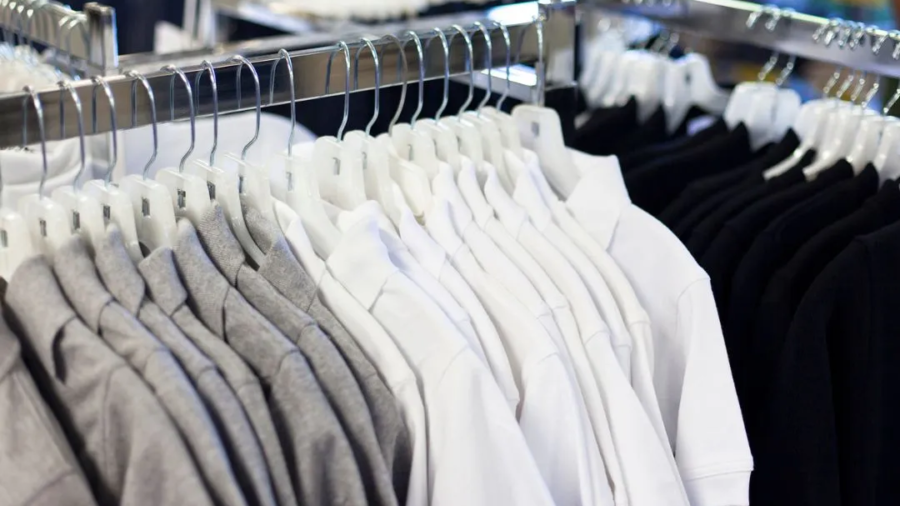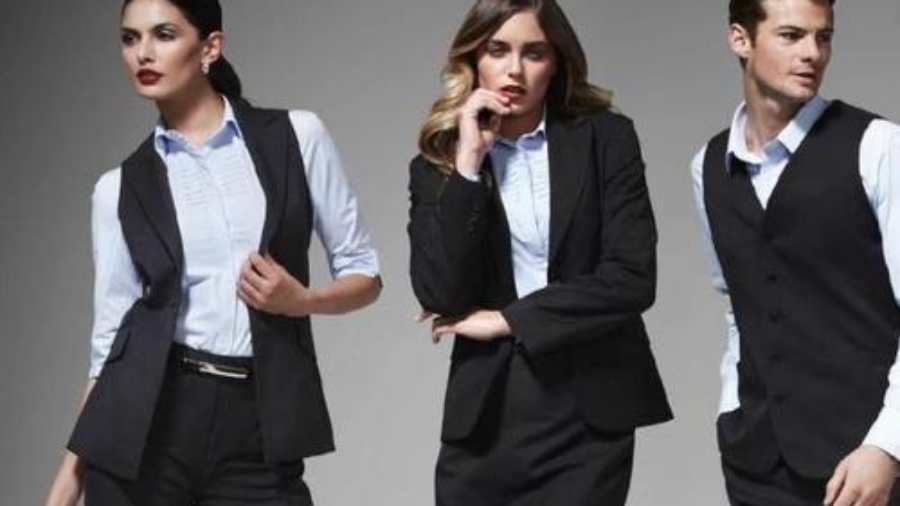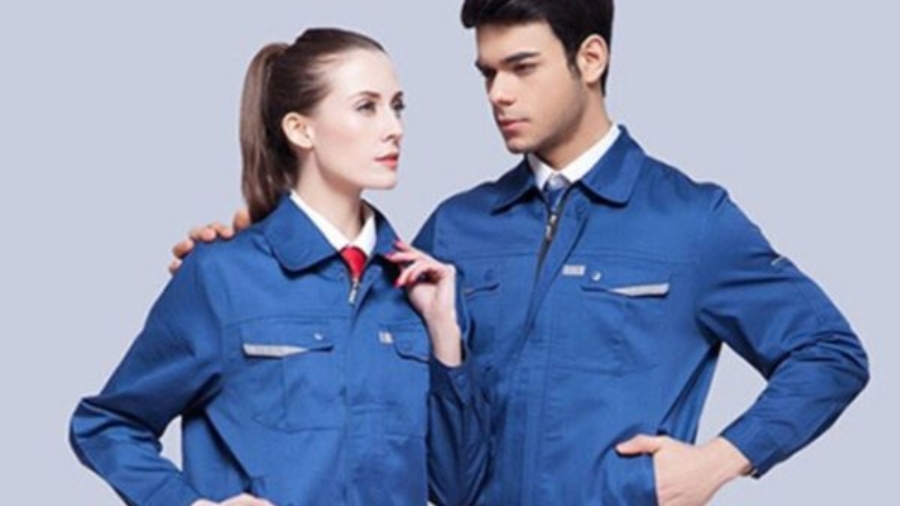
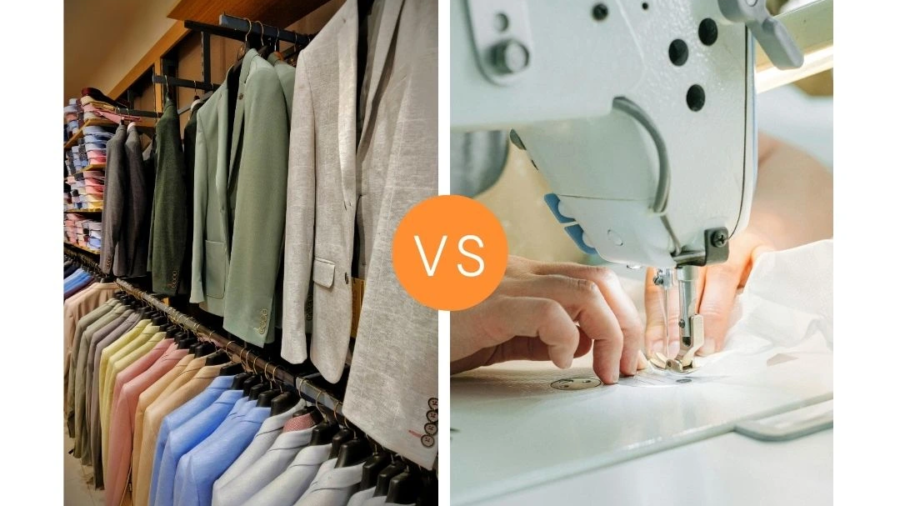
Tailor-Made Uniform vs Ready-Made Uniform

Tailor-Made Uniform vs Ready-Made Uniform: Which Is Better for Your Business?

When businesses plan to invest in uniforms, one major decision comes up early: Should you choose tailor-made uniforms or ready-made uniforms?

While both options serve the same basic purpose—creating consistency and professionalism—the long-term impact on comfort, branding, and cost can vary significantly.

In this guide, we’ll break down the differences between tailor-made and ready-made uniforms so you can make the right decision for your company.

Tailor-Made Uniform vs Ready-Made Uniform: Quick Comparison

FeatureTailor-Made UniformReady-Made Uniform
FitCustom fit based on company sizingStandard size chart
BrandingFull customization (logos, colors, trims)Limited customization
Fabric ChoiceSelected based on work environmentPre-decided fabric
DurabilityDesigned for specific job conditionsGeneral-use durability
Upfront CostHigher initial investmentLower initial cost
Long-Term ValueBetter ROI over timeMay require frequent replacement
Production Time2–4 weeks depending on orderImmediate or quick dispatch
Best ForLarge teams, strong branding needsSmall teams, urgent orders

What Is a Ready-Made Uniform?

Ready-made uniforms are pre-designed garments produced in bulk with standard sizes. These are usually kept in stock and can be delivered quickly.

Advantages of Ready-Made Uniforms:

✔ Quick availability
✔ Lower upfront cost
✔ Easy replacement
✔ Suitable for small or urgent orders

This option works well for businesses that need uniforms immediately or operate with limited customization requirements.

However, ready-made uniforms may not always align perfectly with brand identity, job-specific needs, or employee comfort.

What Is a Tailor-Made Uniform?

Tailor-made uniforms are custom-designed garments created specifically for your company. These uniforms are made based on your branding guidelines, fabric preferences, sizing requirements, and functional needs.

Advantages of Tailor-Made Uniforms:

✔ Custom branding (logos, colors, trims)
✔ Better fit and comfort
✔ Role-specific design
✔ Higher durability when designed correctly
✔ Stronger brand identity

Companies working with experienced uniform manufacturers in India often prefer tailor-made solutions because they allow better alignment with operational needs.

Difference Between Tailor-Made & Ready-Made Uniforms

1. Fit and Comfort

One of the biggest differences between the two is fit.

Ready-made uniforms follow standard sizing charts, which may not suit all body types. This often results in uniforms that are too tight, too loose, or uncomfortable during long shifts.

Tailor-made uniforms, on the other hand, can be adjusted for:

  • Different body types
  • Specific department roles
  • Climate conditions
  • Job movements (bending, lifting, standing long hours)

For industries requiring a high-performance uniform for workers, proper fit is essential for both safety and productivity.

2. Branding and Professional Image

Uniforms represent your brand visually every day.

Ready-made uniforms may offer limited color options and logo placement flexibility. This can lead to a generic appearance that doesn’t reflect your brand identity.

Tailor-made uniforms allow:

  • Exact brand color matching
  • Embroidered logos
  • Custom trims and panels
  • Department-specific variations

If brand consistency is important, custom uniforms usually deliver stronger visual impact.

3. Functionality and Role-Specific Needs

Different roles require different functionality.

For example:

  • Industrial workers may need reinforced seams and heavy-duty fabric.
  • Hospitality staff may need breathable fabrics and stain resistance.
  • Corporate employees may prioritize comfort and appearance.

A ready-made solution may not account for all these requirements.

Custom uniforms allow businesses to avoid the common mistakes discussed in our guide on examples for bad uniform design, such as poor fabric selection, lack of role differentiation, or uncomfortable fits.

4. Durability and Longevity

While ready-made uniforms may seem cheaper initially, they often wear out faster because they’re not designed specifically for your work conditions.

Tailor-made uniforms, when created with proper fabric and stitching, typically:

  • Last longer
  • Withstand frequent washing
  • Resist tearing and fading
  • Offer better value over time

For physically demanding industries, durability is not optional—it’s essential.

5. Cost Considerations

Cost is often the deciding factor.

Ready-Made Uniform Costs:

  • Lower upfront price
  • Faster purchasing cycle
  • Good for small teams

Tailor-Made Uniform Costs:

  • Slightly higher initial investment
  • Longer production timeline
  • Better long-term ROI

Businesses often assume custom uniforms are too expensive. However, with smart planning, you can reduce costs for custom uniform orders by:

  • Standardizing fabrics across departments
  • Ordering in bulk
  • Choosing versatile base designs

  • Working with experienced manufacturers

In many cases, tailor-made uniforms become more economical over time due to fewer replacements and better durability.

6. Scalability and Inventory Management

For growing businesses, scalability matters.

Ready-made uniforms are easier to reorder in small quantities. However, if your workforce expands rapidly, stock sizes may not always be available.

Custom uniforms require planning but allow better inventory control and consistency across locations.

Large organizations often choose tailor-made uniforms to maintain uniformity across multiple branches.

Which One Should You Choose?

The answer depends on your business goals.

Choose Ready-Made Uniforms If:

  • You need urgent delivery
  • Your team is small
  • Branding is not a major priority
  • Budget is extremely limited

Choose Tailor-Made Uniforms If:

  • You want strong brand identity
  • Your employees perform specialized tasks
  • Comfort and durability are priorities
  • You’re planning long-term scaling

For industries like manufacturing, construction, and logistics—where a high-performance industrial uniform is critical—custom uniforms often provide better safety and comfort.

Final Thoughts

There is no one-size-fits-all answer. Both tailor-made and ready-made uniforms have their place in business operations.

However, if you’re looking for long-term value, brand consistency, and better employee satisfaction, tailor-made uniforms generally offer a stronger return on investment.

Working with experienced uniform manufacturers in India ensures that your uniforms are designed not just for appearance—but for performance, durability, and practicality.

Before making a decision, evaluate your:

  • Work environment
  • Employee comfort needs
  • Brand identity goals
  • Budget and scaling plans

The right uniform strategy isn’t just about clothing—it’s about creating a professional, comfortable, and confident workforce.

What Is the Best Fabric for Office Uniforms in India's Climate?

What Is the Best Fabric for Office Uniforms in India’s Climate?

Choosing the right fabric for office uniforms in India isn’t just about aesthetics—it’s about comfort, durability, and maintaining a professional appearance in one of the world’s most diverse climates. From the humid monsoons of Mumbai to the scorching summers of Delhi, India’s weather patterns demand careful consideration when selecting uniform materials. Understanding which fabrics work best can significantly impact employee comfort and productivity while ensuring your organization maintains its professional image.

Understanding India’s Unique Climate Challenges

India experiences extreme temperature variations throughout the year, with summers reaching above 45°C in some regions and winters dropping to near-freezing temperatures in the north. The monsoon season brings high humidity levels that can make synthetic fabrics uncomfortable and impractical. These climatic conditions make it essential for organizations to partner with experienced uniform manufacturers in India who understand these regional variations and can recommend appropriate fabric choices.

The challenge intensifies when you consider that employees may work in air-conditioned offices during the day but commute in hot, humid conditions. This requires fabrics that can regulate temperature effectively while maintaining their shape and appearance throughout the workday.

Top Fabric Choices for Indian Office Uniforms

Cotton: The Timeless Classic

Cotton remains one of the most popular choices for office uniforms in India, and for good reason. This natural fiber is highly breathable, absorbs moisture effectively, and keeps employees cool during hot summer months. Pure cotton fabrics allow air circulation, making them ideal for non-air-conditioned environments or outdoor roles within organizations.

However, pure cotton does have drawbacks. It wrinkles easily, shrinks after washing, and takes longer to dry—a significant concern during monsoon season. This is why many corporate uniform manufacturers in India recommend cotton blends rather than pure cotton.

Polyester-Cotton Blends: The Practical Choice

Polyester-cotton blends, typically in ratios of 65:35 or 70:30, have emerged as the most practical solution for Indian office environments. These blends combine cotton’s breathability with polyester’s durability and wrinkle resistance. The result is a fabric that maintains a crisp, professional appearance throughout the day while offering reasonable comfort.

These blends dry faster than pure cotton, resist shrinkage, and require minimal ironing—factors that reduce maintenance costs and effort for both employers and employees. The slight synthetic content also improves the fabric’s color retention, ensuring uniforms look newer for longer periods.

Linen Blends: Premium Comfort for Executive Wear

For senior management and client-facing roles, linen blends offer an elevated appearance with excellent breathability. Pure linen wrinkles excessively, but when blended with cotton or synthetic fibers, it provides a sophisticated look while maintaining comfort. Linen is particularly suitable for summer months and works well as a uniform for different organizational roles where a more refined aesthetic is required.

Performance Fabrics: The Modern Solution

Advanced performance fabrics incorporating moisture-wicking technology have gained popularity in recent years. These engineered textiles pull sweat away from the body, dry quickly, and often include anti-microbial properties that prevent odor buildup—a crucial feature in India’s humid climate.

While typically more expensive, performance fabrics are worth considering for roles that involve physical activity or outdoor exposure. Many progressive organizations are investing in these fabrics for their front-line staff who interact with customers in various environmental conditions.

Fabric Weight and Weave Considerations

The weight and weave of the fabric matter as much as the material composition. For Indian summers, fabrics ranging from 140-180 GSM (grams per square meter) provide optimal comfort without compromising durability. Lighter fabrics work well for tropical regions, while slightly heavier options suit air-conditioned environments better.

The weave structure also affects breathability and appearance. Plain weaves offer maximum airflow, twill weaves provide better durability and wrinkle resistance, while dobby and jacquard weaves add textural interest for premium uniforms.

Matching Fabric to Organizational Needs

Different industries and roles require different fabric considerations. Banking and finance sectors typically prefer formal fabrics with excellent drape and wrinkle resistance. Hospitality and retail environments may prioritize stain resistance and easy maintenance. Manufacturing and logistics operations need durable fabrics that withstand frequent washing and physical wear.

This is where selecting the right uniform manufacturer becomes crucial. Experienced manufacturers understand these nuanced requirements and can guide organizations toward fabric choices that align with their specific operational needs, budget constraints, and brand image.

Sustainability and Long-Term Value

Indian organizations are increasingly considering the environmental impact of their uniform programs. Natural fibers like organic cotton and sustainable blends are gaining traction among environmentally conscious companies. While these options may carry a higher initial cost, they often provide better long-term value through improved employee satisfaction and alignment with corporate sustainability goals.

Making the Final Decision

The best fabric for office uniforms in India ultimately depends on your specific circumstances: geographic location, work environment, job functions, budget, and organizational culture. A technology company in Bangalore might opt for comfortable cotton blends, while a hotel chain across India might choose performance fabrics for their diverse staff roles.

Consulting with knowledgeable uniform suppliers who understand India’s climate variations and industry-specific requirements ensures you make an informed decision that balances comfort, appearance, durability, and cost-effectiveness. The right fabric choice will keep your employees comfortable and productive while maintaining the professional image your organization deserves.

Customize Uniforms for Different Roles

How to Customize Uniforms for Different Roles Within the Same Organization Without Blowing the Budget

Uniforms are more than just clothing—they represent professionalism, safety, and a unified brand image. For organizations like hospitals, hospitality groups, and manufacturing units, creating distinct uniforms for different roles is essential. 

Steps to Create Customized Uniforms for Different Roles 

Doctors, nurses, front-desk staff, or factory supervisors all need specific designs that suit their work environment. But the challenge is clear: how do you provide customized uniforms for each role without overspending?

The good news—smart strategies in design, fabric choice, and ordering can help you achieve uniformity, role distinction, and cost savings at the same time. Let’s explore how.

1. Keep the Base Design Consistent, Then Customize Key Elements

The easiest way to balance uniformity with distinction is to use a standard base design across roles, with subtle customizations to set each department apart.

For example, a hospital can have a standard scrub set, but:

  • Doctors wear white coats with specific lapel trims.
  • Nurses use the same scrubs with different color piping.
  • Technicians have badges or embroidered department names.

This keeps the brand identity consistent while eliminating the need for entirely separate designs, cutting both design and production costs.

2. Use Modular Customization

Instead of creating entirely new uniforms for each role, think in terms of modular design changes. Small adjustments can make a uniform role-specific without driving up costs.

Examples include:

  • Hospitality Groups: Front-desk staff wear the same shirt design as restaurant staff, but with longer sleeves or a different collar style.
  • Factories: Supervisors and workers use the same workwear set, with reflective strips added only for those working on the floor.
  • Hotels: Housekeeping staff and concierge staff wear the same base tunic, but the concierge has additional embroidery or a pocket-square feature.

By working with uniform suppliers to design modular uniforms, you reduce waste and avoid inflated costs of making completely new garments.

3. Economize Through Fabric Consistency

One of the biggest budget leaks comes from ordering different fabrics for each department. Fabric is often the most expensive element in uniforms, and switching between multiple types drastically increases costs.

Instead, keep fabric consistent across roles and vary only design details.

  • A manufacturing unit could use the same durable, breathable cotton blend for both supervisors and workers—adding only reflective trims for factory staff.
  • A hospital may use wrinkle-resistant fabric for all roles, with different colors for doctors, nurses, and support staff.

This bulk approach to fabric procurement can help organizations negotiate better pricing and reduce per-unit costs.

4. Bundle Orders for Better Pricing

Uniform manufacturers often provide discounts for larger, consolidated orders. Instead of placing separate smaller orders for each department, plan in advance and order for all roles in a bundled batch.

For example:

  • A 5-star hotel in Mumbai needed uniforms for seven different departments. Instead of ordering separately, they bundled the order, keeping fabric consistent and applying modular design changes. The result? They saved 30% on overall uniform costs while still maintaining distinct looks for each department.

The same principle applies to hospitals ordering for doctors, nurses, and technicians, or factories ordering for supervisors and workers.

5. Leverage Badges, Labels, and Accessories

Not every difference in uniform needs to be sewn into the garment itself. Badges, ID labels, and accessories are cost-effective ways to differentiate roles while maintaining overall uniform consistency.

  • Hospitals can add embroidered role-specific patches (Doctor, Nurse, Technician) instead of making entirely separate designs.
  • Hotels can use scarves, ties, or name tags to set front office staff apart from housekeeping.
  • Factories can use colored safety helmets or armbands for supervisors vs. workers.

This approach is not only cheaper but also more flexible, since badges and accessories can be swapped out easily when employees move roles.

6. Work Closely with a Professional Uniform Supplier

The key to achieving customization within budget lies in working with experienced uniform suppliers who understand both design and cost management. Suppliers who serve hospitals, hotels, and industrial units can guide you on:

  • Choosing cost-efficient fabrics.
  • Designing modular uniforms.
  • Leveraging economies of scale.
  • Managing role-specific customization without reinventing the wheel.

For organizations looking at long-term savings, building a relationship with a reliable supplier pays off—both in cost reduction and in maintaining brand consistency.

Final Thoughts

Customizing uniforms for different roles within the same organization doesn’t have to drain your budget. By keeping base designs consistent, adopting modular customization, standardizing fabrics, ordering in bundled batches, and using badges or accessories strategically, hospitals, hospitality groups, and manufacturing units can save money while still maintaining professionalism and role distinction.

Uniforms aren’t just clothing—they’re a reflection of your brand and a practical tool for employees. With the right approach, you can ensure every role looks sharp, stays safe, and represents your organization—without overspending.

Cheap vs Quality Uniforms: What’s Worth

Cheap vs Quality Uniforms: What’s Worth It?

When it comes to buying uniforms for your staff—whether in a hospital, factory, school, or corporate office—it’s tempting to go with the lowest bidder. After all, uniforms are recurring expenses, especially for large teams. But here’s the truth many businesses overlook: cheap uniforms often cost more in the long run.

From frequent replacements to damage to your brand reputation, cutting corners on uniform quality can lead to hidden expenses you didn’t anticipate. In this blog, we’ll explore why investing smart in uniforms pays off over time—and how to make better procurement choices.

Why Cheap Uniforms Can Cost You More Than You Think

Short-term savings often lead to long-term losses in quality and performance.

1. Poor Fabric = Faster Wear and Tear

Cheap uniforms are often made with low-grade fabrics that:

  • Fade quickly after a few washes
  • Lose shape and elasticity
  • Tear under minor stress or friction
  • Are uncomfortable for daily wear

If your team includes field workers, hospital staff, or factory employees, they need durable uniforms that can withstand long hours and physical tasks. Instead of replacing uniforms every few months, it’s better to work with reliable industrial uniform manufacturers who offer fabric options tested for durability, breathability, and comfort.

Long-Term Tip:

Investing in cotton-poly blends, wrinkle-resistant knits, or stain-repellent materials may cost more initially—but can easily double the lifespan of each uniform.

2. Discomfort Leads to Poor Performance

Uniforms directly affect how your staff feels and performs. Cheap fabrics often:

  • Cause irritation, especially in hot or humid environments
  • Restrict movement
  • Fail to regulate body temperature 

Uncomfortable employees are less productive, more distracted, and more likely to request changes or replacements. For industries like hospitality or healthcare, where staff interaction is constant, investing in comfort can significantly impact service quality.

Working with experienced hospital uniform suppliers ensures you get medical-grade, antimicrobial, and skin-friendly materials that are both hygienic and comfortable—an important factor in clinical settings.

3. Low-Quality Stitching Increases Replacement Costs

Inexpensive uniforms often cut corners not just on fabric, but also on stitching, trims, and finishing. Common issues include:

  • Open seams
  • Broken zippers
  • Detached buttons after a few washes
  • Poor logo embroidery quality

Over time, frequent repairs and replacements add to your operational cost. In comparison, corporate uniform manufacturers that follow quality assurance processes deliver better craftsmanship, ensuring your uniforms last longer and retain their professional appearance.

4. Inconsistent Branding Damages Company Image

Uniforms are a visual extension of your brand. Whether you’re running a retail chain, a hospital, or an industrial plant—your staff is always on display. Inconsistencies in uniform color, fit, or logo placement create a poor impression.

Cheap uniform suppliers may not offer:

  • Precise color matching
  • Custom sizing
  • High-resolution logo printing or embroidery
  • Long-term stock continuity for reorders

On the other hand, uniform suppliers in India that specialize in branding can help you maintain uniformity across branches, departments, and even seasons.

5. Hidden Costs in Logistics, Sizing & Delays

Low-cost vendors often lack streamlined logistics or quality control. Common issues include:

  • Wrong sizes delivered
  • Late deliveries affecting onboarding or rebranding
  • No support for future reorders 

This leads to unplanned delays and urgent corrections—adding stress and cost to your operations. Working with established workers uniforms providers means you can expect better coordination, dedicated account managers, and support for reorders or replacements.

6. You Miss Out on Value-Added Services

Premium uniform manufacturers often include additional services that improve efficiency and long-term savings, such as:

  • Free size trials or sample kits
  • Fabric consultation
  • Digital mockups for logo placement
  • Pre-packed uniforms by employee name or ID

These services reduce admin time and prevent costly errors. Some corporate uniform manufacturers also offer inventory management and restocking alerts—ideal for companies with 100+ employees.

Smart Investment = Better ROI

Think of uniforms not as a cost but as an investment in employee experience, safety, and branding. The goal isn’t to buy the cheapest uniforms—but to buy the right ones.

How Smart Buying Saves You Money:
  • Fewer replacements and repairs
  • Reduced downtime due to delays or discomfort
  • Enhanced employee satisfaction and retention
  • Stronger brand visibility and perception
  • Better hygiene and compliance (especially for hospitals and factories)

Conclusion

Choosing quality over the cheapest quote isn’t just a better long-term decision—it’s a smarter business strategy. Whether you’re outfitting factory workers, front-desk executives, or clinical staff, focus on value, durability, and consistency.

Looking for reliable, cost-effective uniform solutions? We’re trusted uniform manufacturers in India working with corporates, schools, industrial facilities, and healthcare institutions. As experienced uniform suppliers, we offer durable fabrics, expert branding, and tailored fits to suit every role.

How to Reduce Costs While Ordering Custom Uniforms in Bulk - Uniform

How to Reduce Costs While Ordering Customized Uniforms in Bulk

Ordering customized uniforms in bulk is a smart move for businesses that want to maintain consistency, promote branding, and save time on procurement. However, without the right approach, it can quickly become expensive. Whether you’re sourcing uniforms for industrial staff, hospitality teams, or office employees, cost efficiency matters.

Tips to Reduce Costs While Ordering Custom Uniforms in Bulk

In this blog, we’ll break down practical strategies to reduce costs while ordering customized uniforms in bulk—without compromising on quality.

1. Finalize Your Design Before Ordering

One of the most common cost mistakes is changing the design mid-process. Each revision—whether it’s a color, logo size, or fabric type—can lead to:

  • Wasted samples
  • Redesign fees
  • Delayed production 

To avoid this, finalize your branding elements, embroidery style, and garment cut before placing the order. Some uniform manufacturers even offer pre-production mockups or digital previews to help you make better decisions upfront.

2. Order in Larger Quantities

It might sound obvious, but higher volume = lower cost per piece. Most suppliers provide tiered pricing based on order size:

  • 50–100 pieces: standard rate
  • 100–500 pieces: discounted
  • 500+ pieces: best rate

If possible, consolidate orders across departments (e.g., front office, housekeeping, logistics) into a single batch to unlock bulk pricing and reduce overall expenses.

3. Choose Standardized Sizes and Fits

Custom sizing for each employee can increase both cost and production time. Instead:

  • Opt for standard sizes (S, M, L, XL)
  • Provide a size chart to staff in advance
  • Keep extra stock in popular sizes

This also simplifies future reorders, especially for new hires or replacements.

4. Use Cost-Effective Fabric Options

Not all uniforms need premium fabric. For example:

  • Poly-cotton blends are affordable, durable, and easy to wash
  • Microfiber works well for housekeeping or kitchen staff
  • Standard cotton is a budget-friendly choice for office wear

Talk to your supplier about low-cost, high-performance alternatives. A good uniform manufacturer or other industrial hubs can help you balance quality and budget depending on the work environment.

5. Limit Color Variations

Each color variant adds complexity to printing, dyeing, and embroidery processes. To reduce production costs:

  • Stick to one or two brand-approved colors
  • Use contrast trims or stitching instead of separate fabric panels
  • Avoid frequent changes between color options for different teams

Fewer variations streamline manufacturing and reduce leftover inventory waste.

6. Simplify the Branding Elements

Embroidery and screen printing prices are often calculated by:

  • The number of colors
  • The size of the logo
  • The number of placements (chest, sleeve, back, etc.)

To cut costs:

  • Use one-color logos where possible
  • Keep branding limited to one or two positions
  • Opt for printed labels instead of woven patches

Minimalistic branding also gives the uniform a more polished, professional look.

7. Plan Ahead to Avoid Rush Charges

Urgent orders usually come with a premium price tag. Manufacturers may charge:

  • Express processing fees
  • Air shipping costs
  • Overtime labor costs

Avoid this by planning orders at least 4–6 weeks in advance, especially during peak seasons like school re-openings or festival periods.

8. Consider Seasonal Uniform Packages

For businesses that need uniforms year-round (e.g., hospitality or security), bundle your summer and winter uniforms into one large order. This helps:

  • Reduce per-unit pricing
  • Avoid double logistic costs
  • Maintain consistency across the year

Some suppliers offer seasonal contracts or annual deals if you commit to bulk orders upfront.

9. Negotiate Long-Term Supply Agreements

If you’re going to need uniforms regularly, build a relationship with your supplier. Negotiating a long-term agreement can give you:

  • Better pricing
  • Faster delivery
  • Priority support
  • Consistency in materials and color matching

Partnering with a reliable hotel uniform manufacturer or corporate uniform supplier ensures smoother operations and better cost control.

10. Compare Multiple Suppliers

Don’t settle for the first quote. Get estimates from at least 3–5 uniform manufacturers, especially those with bulk-handling experience. Compare:

  • Unit price
  • Customization capabilities
  • Delivery time
  • After-sales support

Sometimes, working with regional players like uniform manufacturers in Mumbai can offer competitive pricing due to proximity, lower shipping costs, and local fabric sourcing.

Conclusion: Smart Planning Saves You Thousands

Bulk uniform ordering doesn’t have to break the bank. By standardizing styles, simplifying branding, consolidating orders, and working with experienced suppliers, your business can significantly reduce uniform costs while still maintaining brand identity and staff comfort.

What Type of Uniform Does a Hospitality Staff Need? - Uniform Supplier

What Type of Uniform Does a Hospitality Staff Need?

In the hospitality industry, first impressions matter. Whether it’s the concierge at a luxury hotel, a waiter at a fine-dining restaurant, or the housekeeping staff behind the scenes, a professional and well-designed uniform sets the tone for service and quality. The right uniform doesn’t just enhance your brand image—it also supports comfort, hygiene, and functionality.

Types of Uniforms that Hospitality Staff Need

So, what type of uniform does a hospitality staff truly need? Let’s break it down by roles, functionality, and modern trends.

1. Front Office & Concierge Staff

These are the first faces your guests see. Their uniforms should exude professionalism, elegance, and warmth. Typical uniforms include:

  • Tailored blazers or waistcoats
  • Crisp white shirts
  • Coordinated trousers or skirts
  • Scarves, ties, or lapel pins for added branding 

Fabrics should be wrinkle-resistant and breathable. Most uniform manufacturers in Mumbai offer climate-appropriate materials ideal for India’s diverse weather conditions, especially for luxury hotels and resorts.

2. Restaurant & F&B Staff

From waiters to baristas, hotel uniforms in this segment need to balance style and functionality. The most popular choices include:

  • Classic collared shirts (black or white)
  • Waist aprons or bib aprons with branding
  • Formal trousers or pencil skirts
  • Slip-resistant shoes

For fine-dining setups, you’ll often see elevated versions of these with tuxedo-style details. It’s best to partner with a hotel uniform manufacturer who understands fabric durability, stain resistance, and easy maintenance for frequent laundering.

3. Housekeeping & Maintenance Staff

Comfort and mobility are key here. These team members are constantly on the move, so their uniforms should be:

  • Lightweight and stretchable
  • Made of breathable cotton-polyester blends
  • Designed with multiple pockets for tools and cleaning essentials 

Many hotels opt for color-coded uniforms for easy department identification—like blue for housekeeping and grey for maintenance.

4. Kitchen Staff & Chefs

Safety and hygiene are non-negotiable in the kitchen. Chef uniforms typically include:

  • Double-breasted white jackets (resistant to heat)
  • Houndstooth or black trousers
  • Hairnets or chef hats (to maintain hygiene)
  • Anti-slip footwear

Aprons, heat-resistant gloves, and stain-proof fabrics are commonly added. Choosing a supplier experienced in hospitality wear is essential for meeting food safety standards.

5. Spa & Wellness Staff

Spa therapists and salon staff require uniforms that are relaxed, yet refined. Common options include:

  • Tunic tops or wrap-style blouses
  • Soft trousers or leggings
  • Minimal branding for a clean aesthetic

Earth-toned uniforms are often used to reflect calm and relaxation. The best suppliers in India offer antibacterial, stretchable fabrics that align with wellness industry needs.

6. Office & Admin Staff

Even behind-the-scenes roles like HR, finance, and management require smart uniforms to maintain a cohesive brand appearance. Options for uniform for office staff in India usually include:

  • Formal shirts and trousers
  • Business suits for senior executives
  • Blouses and formal skirts for female staff
  • Branded ID cards, scarves, or ties

Consistency across departments adds professionalism and makes internal operations more streamlined.

Why Uniform Design Matters in Hospitality

Besides appearance, uniforms in the hospitality industry must offer:

  • Durability: Withstand daily wear and frequent washing
  • Ease of Maintenance: Easy to clean, iron, and fold
  • Customization: Embroidered logos, name tags, and brand-aligned colors
  • Comfort: Breathable, stretchable, and weather-appropriate fabrics
  • Functionality: Pockets, buttons, zippers, and features that suit the job role

Conclusion

Uniforms in the hospitality sector are more than just outfits — they are an extension of your brand, culture, and service standards. From front-desk personnel to kitchen staff, each department requires a specific type of uniform tailored to its function.

If you’re looking for high-quality, durable, and custom-branded options, partnering with the right uniform manufacturers in Mumbai can help you meet your style and safety goals effortlessly. 

Uniform-Blog-Image (1)

How to Find the Right Uniform Manufacturer for Your Company?

Choosing the right uniform manufacturer is crucial for any business. Whether you run a corporate office, a hotel, a hospital, or an industrial unit, uniforms play a significant role in brand identity, employee comfort, and workplace professionalism. A well-designed uniform enhances your company’s image and ensures that employees feel confident and comfortable while performing their duties.

With many uniform manufacturers in the market, finding the right one can be overwhelming. Here’s a step-by-step guide to help you choose the best uniform manufacturer for your company.

Factors to Consider When Selecting A Uniform Manufacturer

  1. Define Your Requirements

Before you start looking for a manufacturer, it’s important to have clarity on your specific needs. Consider the following factors:

  • Industry Type: Different industries require different uniform materials and designs. A corporate office uniform is different from security or industrial uniforms.
  • Material Preference: Decide on the fabric type depending on the work environment. For example, industrial uniforms may need durable, fire-resistant fabrics, whereas corporate uniforms require a professional and polished look.
  • Customization Needs: Do you need logo embroidery, special colors, or specific stitching patterns? Understanding these requirements will help in choosing the right manufacturer.
  • Budget: Determine a budget that balances cost and quality. High-quality uniforms may require a bigger investment but offer durability and comfort.


  1. Research and Shortlist Manufacturers

Once you have defined your requirements, start researching uniform manufacturers. Here’s how you can do it:

  • Reviews and Ratings: Check customer reviews and testimonials on websites, Google, and social media to understand the reputation of different manufacturers.
  • Industry References: Ask for recommendations from businesses in your industry that have experience working with uniform suppliers.
  • Portfolio and Past Work: Look at the manufacturer’s past projects to assess their experience and quality standards.


  1. Check Fabric Quality and Durability

The quality of fabric plays a vital role in employee comfort and the uniform’s lifespan. When evaluating a uniform manufacturer:

  • Request Fabric Samples: Always ask for fabric samples before placing a bulk order. Test for softness, durability, and shrinkage.
  • Material Suitability: Ensure the fabric is suitable for the work environment. For example, hotel staff may need stain-resistant uniforms, while hospital staff require breathable fabrics.
  • Eco-Friendly Options: If sustainability is a priority for your company, check if the manufacturer offers eco-friendly or organic fabric options.


  1. Assess Customization and Branding Options

Your company’s uniform should reflect its brand identity. A good manufacturer should offer:

  • Logo Embroidery and Printing: Ensure they provide high-quality embroidery or screen printing for branding purposes.
  • Color and Design Matching: The manufacturer should be able to match your brand colors accurately.
  • Tailored Fit and Sizes: Employees come in different body types, so the manufacturer should offer a range of sizes and tailored fits for comfort.


  1. Verify Production Capacity and Lead Time

If you need uniforms in bulk, it’s important to ensure that the manufacturer has the production capacity to meet your requirements.

  • Check Turnaround Time: Ask how long it takes to complete an order and whether they can meet your deadlines.
  • Scalability: If your company expands, the manufacturer should be able to handle larger orders in the future.
  • Order Flexibility: Check if they allow small-batch orders initially, which can be helpful when testing new designs.


  1. Consider Cost and Value

Price should not be the sole deciding factor, but it’s important to get value for your money. When comparing costs:

  • Get Multiple Quotes: Obtain price quotes from different corporate uniform manufacturers and compare based on quality, service, and durability.
  • Understand Hidden Costs: Check for additional charges such as shipping, customization, and alterations.
  • Bulk Discounts: Ask if the manufacturer offers discounts for bulk orders.


  1. Evaluate Customer Service and Communication

A good uniform manufacturer should have strong customer service and clear communication channels. Before finalizing a supplier:

  • Check Responsiveness: Are they quick to respond to queries and provide necessary details?
  • Transparency: Do they provide clear timelines, policies, and pricing without hidden costs?
  • After-Sales Support: Check if they offer alterations, repairs, or replacements in case of defects.


  1. Visit the Manufacturer (If Possible)

If feasible, visit the manufacturer’s facility to:

  • Inspect Their Production Process: See how uniforms are made and check for quality control measures.
  • Meet Their Team: Get to know the people behind the production and assess their expertise.
  • Assess Work Ethics: Ensure they follow ethical labor practices and environmental sustainability.


  1. Look for Long-Term Partnerships

Choosing the right uniform manufacturer is not just about a one-time purchase. It’s about building a long-term relationship with a supplier who understands your brand’s needs and grows with your company.

  • Reliability: Ensure they can consistently deliver quality uniforms on time.
  • Innovation: A good manufacturer should keep up with trends and suggest new materials or designs to improve your uniforms.
  • Flexibility: They should be open to modifications and adjustments based on your evolving needs.

Conclusion

Finding the right school uniform manufacturer in India or a workers uniform supplier requires thorough research and careful evaluation. The right manufacturer will offer high-quality materials, excellent customization, and reliable service, ensuring your uniforms align with your company’s brand identity and values. By following the above steps, you can select a manufacturer that meets your needs and fosters a strong, long-term partnership for your company’s uniform requirements.

Customized-Corporate-Uniform

How To Avoid Quality Mismatch with Original Approved Samples While Finalizing Uniforms for the Company?

Corporate uniforms are popular right now, and companies are beginning to realize how beneficial it is to provide them for their employees. As a result, you should not rush into choosing corporate uniforms without thoroughly researching. Also, for detailed help you may get in touch with uniform manufacturers in Mumbai.


How Can We Ensure That the Finished Company Uniforms Exact Reflect the Quality of the Approved Samples?


  • Do not prioritize form above utility

A work uniform’s primary purpose is to serve its wearer. Personal protection equipment that works as intended will keep the user safe and promote clean processing conditions. The aesthetics aren’t that important. It’s not easy to decide on a uniform for your staff. Uniforms that don’t fit properly might hinder an employee’s performance on the job. Workers should be able to kick back and enjoy their work attire. Their safety equipment should not restrict their mobility. The outfits must be functional in the workplace. Functionality, not aesthetics, should be prioritized while selecting work attire.


  • Solicit feedback from staff

The company’s workers will have to wear the uniforms sooner or later, and their dissatisfaction with them might have a negative impact on their work. Before settling on a uniform design, it’s crucial to poll every worker to ensure they approve. Employees should feel empowered by their work outfits. This will inspire people to work more and become more invested in the firm as a whole.


  • Avoid picking the cheapest one

Quality may be compromised in the transformation. Protective clothing must be of the highest quality possible. A problem in quality, no matter how little, may compromise production and endanger workers. As a result, before making a final choice, it is recommended to investigate several possibilities and evaluate their relative costs and merits.


All costs have to be thought about prior to making a choice. Here’s an illustration:

Attempting to handle upkeep in-house. All industrial uniforms may be maintained in-house with the right washing, repair work, etc., but this is a time-consuming and costly endeavor. To do this, you’d need high-caliber tools and personnel. Rather than outsourcing the procurement and upkeep of staff uniforms, many businesses buy uniforms directly from safety wear manufacturers. It’s possible that using disposable work clothes will cost more than it saves the environment.


Conclusion

Picking PPE like hard hats and safety vests that also advertise your business is crucial to its continued success. Finding a reliable uniform rental service that is familiar with the business sector and can outfit workers with appropriate uniforms is crucial.


Visit Uniform Suppliers for your various uniform needs in Mumbai.

corporate-uniforms-1538496387-4354817

3 Guidelines for Companies to Ensure That Investment Made in Corporate Uniforms Pays Good Returns to Companies

Workplaces benefit greatly from having their employees wear corporate uniforms. They are necessary for order, spreading the brand’s ideals, and bringing everyone together. Establishing a company uniform, however, is a substantial investment. Therefore, it is important to ensure its success. You may get more mileage out of your company uniforms by following a few basic rules you establish.


  1. Give a Complete Outfit

The corporate shirt is often the sole uniform an organization chooses to buy for its workers. Since employees are seldom given clear rules for the remainder of their workwear, this may lead to several problems. A comprehensive uniform ensures that employees will always look their best in the workplace.

Be sure your rules are clear and reasonable about the apparel items you cannot provide, such as footwear and accessories. Overburdening employees will only lead to uniform problems in the workplace. Please provide an overview of the company’s preferred aesthetic to better educate employees on why they should adopt it.


  1. Get Fitted Outfit

Wearing clothing that does not flatter your figure is one of life’s worst experiences. Many businesses find it more efficient to acquire uniforms in bulk and stock up on a wide variety of sizes. The problem is that popular sizes usually sell out first. Workers are expected to make do with extra-small sizes or struggle through the day in oversized clothes that keep falling off.

Taking the time to measure and fit your personnel will go a long way towards making sure they all feel great in their uniforms as per corporate uniform manufacturers in Mumbai. It may be time-consuming, but you will save money on unnecessary sizes in the long run and boost team morale.


  1. Observe Uniformity

Maintaining a unified appearance is critical to building a strong brand. If all your workers wore the same uniform, this would not happen. Think about if you want separate departments to have their own uniforms or whether everyone will be wearing the same thing. Be firm in sticking to your decision, whatever it may be.


Conclusion

Employees who like wearing their uniform are more inclined to respect and wear it properly. That’s why fairness in applying a standard regulation is crucial.  In many business contexts, business uniforms are a must-have. A well-defined set of rules and regulations helps promote proper uniform use.

why-do-we-need-uniform-600x400

Points to be Aware of While Implementing Uniforms in any Organization

Whether implementing uniforms for the first time or revamping your existing uniform policy, careful planning and consideration are essential. There exist some key factors in the process of deciding on a uniform.


Before selecting your corporate uniform manufacturer in Mumbai, some of the points to consider are:

  • Purpose of the uniform: Uniforms can create a sense of unity, enhance brand visibility, and establish a professional image. Considering the image, you want to portray, the level of professionalism to be set will help in the decision-making process.
  • Employee feedback: Ask for opinions and preferences regarding the design, comfort, and practicality of the uniforms. This can help address any concerns and ensure that the uniform is accepted and satisfactory for all.
  • Uniform functionality: Practicality is one of the top priorities of a uniform. The uniforms chosen should not hinder employees’ ability to perform their duties effectively throughout the day.
  • Quality & Durability: Well-made uniforms will not only last longer but also reflect positively on the organisation’s commitment to quality. Employees will also be more satisfied and proactive if their uniforms are easy to maintain.
  • Uniform Policies & Guidelines: Establish clear and comprehensive uniform policies and guidelines. Take into consideration potential issues such as uniform exceptions, replacements, alterations, and disciplinary actions for non-compliance.


Using these pointers, your implementation process can be made smoother. Thoughtful implementation will also contribute to a positive work environment and reflect positively on the organisation as a whole.

If you are looking to find one of the top corporate uniform manufacturers in Mumbai, get in touch with Uniform Suppliers.