
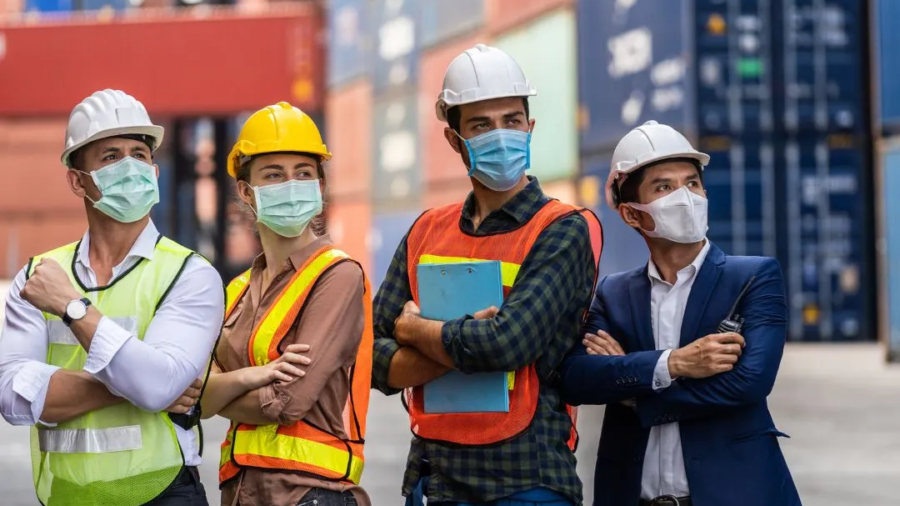
Industrial work environments demand uniforms that can withstand friction, spills, extreme temperatures, dust, and constant movement. That’s why choosing the right fabric is the most important decision when creating industrial uniforms for workers. Whether you’re outfitting manufacturing staff, factory workers, technicians, or field teams, the fabric determines safety, durability, comfort, and lifespan.
In this blog, we’ll explore the most durable fabrics used for industrial uniforms, comparing their strengths and the industries they’re best suited for.
1. Cotton (Heavy-Duty Cotton Twill)
Cotton has remained a staple in workwear for decades. But industrial uniforms usually use heavy-duty cotton twill, which is thicker, stronger, and more resistant to tearing.
Why It’s Durable:
- Excellent breathability
- Strong resistance to abrasion
- Soft on the skin during long shifts
- Handles frequent washing
Best For:
- Warehouses
- Logistics teams
- Light manufacturing
- Supervisors & floor managers
While cotton is comfortable, it may not be the best choice for high-heat or high-risk environments unless blended with other fibers.
2. Polyester
Polyester is a powerhouse fabric when it comes to durability. It resists wrinkles, shrinking, stretching, and fading—even after hundreds of washes.
Why It’s Durable:
- High tensile strength
- Moisture-resistant and quick-drying
- Retains color brilliantly
- Strong against chemical exposure
Best For:
- Technicians
- Maintenance staff
- Machine operators
- Outdoor workforce
Polyester may feel less breathable than cotton, but many modern polyester fabrics are engineered for better ventilation.
3. Poly-Cotton Blends (65/35 or 80/20)
Poly-cotton blends combine the best properties of both fibers — comfort from cotton and toughness from polyester. This is why most industrial uniform manufacturers prefer this blend for coveralls, shirts, and trousers.
Why It’s Durable:
- Balanced softness and strength
- Strong against tearing and abrasion
- Less likely to shrink
- Easy to wash and maintain
Best For:
- Manufacturing units
- Chemical factories
- Auto workshops
- Service engineers
Blended fabrics offer more versatility, making them a great all-round solution.
4. Ripstop Fabric
Ripstop fabric is woven with a special grid pattern designed to stop small tears from becoming large ones. It’s extremely durable and lightweight, making it ideal for physically demanding roles.
Why It’s Durable:
- Tear-resistant grid structure
- Lightweight yet extremely tough
- Resistant to abrasion and harsh environments
Best For:
- Construction workers
- Security personnel
- Outdoor industrial jobs
- Electricians & field teams
Ripstop uniforms are commonly used in military-grade clothing as well due to their strength.
5. Denim (Industrial-Grade)
Industrial denim is far thicker than standard fashion denim and is preferred where high abrasion resistance is required.
Why It’s Durable:
- Extremely tough
- Handles friction and rough use
- Long-lasting even in harsh conditions
Best For:
- Welders
- Mechanics
- Fabrication units
- Heavy machinery operators
6. Flame-Resistant (FR) Fabrics
FR fabrics are specially engineered to self-extinguish when exposed to flames. Even though they’re not “non-flammable,” they slow down ignition and reduce burn injuries.
Why It’s Durable:
- Protection against heat and flames
- Maintains structure under pressure
- Chemical-resistant and long-lasting
Best For:
- Welding units
- Oil & gas industry
- Chemical plants
- High-heat operations
FR fabrics are an investment — but essential for high-risk industries.
Conclusion
Choosing the right fabric is about balancing comfort, durability, and industrial uniform safety. Cotton offers breathability, polyester delivers strength, blends provide versatility, and FR fabrics offer crucial protection.
At Uniform Supplier, we design workwear using industry-grade fabrics tested for durability and compliance. Whether your team needs coveralls, two-piece sets, or specialized protective clothing, we help you select the right fabric for long-lasting performance.