
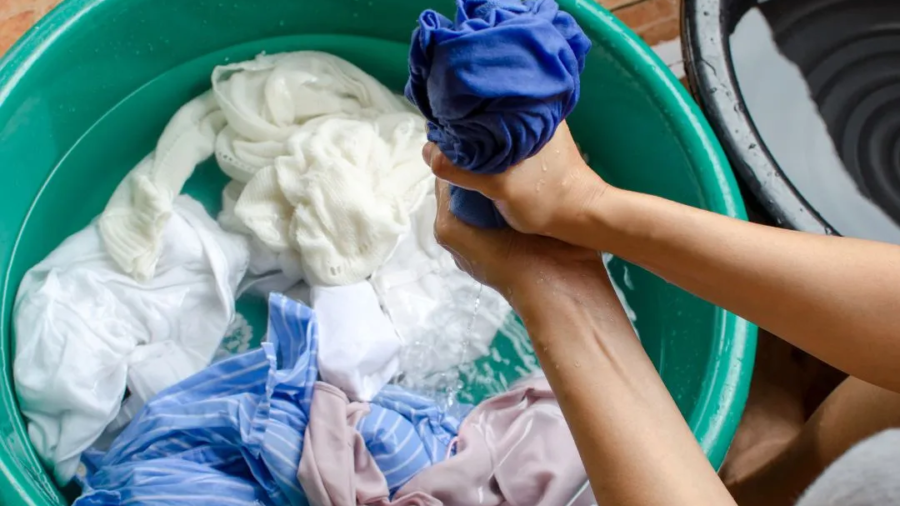
Person washing work uniforms by hand, demonstrating proper uniform care to maintain fabric quality, appearance, and durability.

Best Washing Practices for Different Types of Uniforms

Uniforms are an investment in your company’s image, employee comfort, and workplace professionalism. However, even the highest-quality uniforms can lose their appearance and durability if they are not cared for properly.

Different uniforms are made from different fabrics and are used in different working environments. A washing routine that works for office uniforms may not be suitable for industrial workwear or healthcare garments. Understanding the correct washing methods can help extend the life of uniforms, maintain their appearance, and reduce replacement costs.

In this guide, we’ll explore the best washing practices for different types of uniforms and how proper maintenance can keep them looking professional for longer.

Why Proper Uniform Care Matters

Many businesses focus heavily on selecting the right uniform but overlook what happens after the uniforms are distributed to employees.

Proper washing and maintenance help:

  • Preserve fabric quality
  • Prevent fading and shrinkage
  • Maintain professional appearance
  • Extend garment lifespan
  • Reduce replacement expenses
  • Improve employee satisfaction

Whether you’re sourcing uniforms from a uniform supplier in India or managing an in-house uniform program, proper care is essential for maximizing your investment.

Best Washing Practices for Different Types of Uniforms

Different uniforms require different care methods depending on their fabric, usage, and exposure to dirt, chemicals, or sweat.

1. Office and Corporate Uniforms

Corporate uniforms are often made from cotton, polyester blends, or premium fabrics designed for comfort and appearance.

Washing Tips:

  • Wash in cold or lukewarm water.
  • Use mild detergents to protect colors.
  • Turn garments inside out before washing.
  • Avoid overloading the washing machine.
  • Air dry when possible to reduce fabric stress.

Many companies invest in the best fabric for office uniforms to ensure a polished appearance, but proper washing is equally important for maintaining that professional look.

Avoid:

  • High-temperature washing
  • Harsh bleach products
  • Excessive tumble drying

2. Industrial Workwear and Workers’ Uniforms

Industrial uniforms are exposed to dirt, grease, oils, and harsh working conditions. Proper cleaning is essential to maintain both appearance and performance.

Washing Tips:

  • Remove heavy dirt before washing.
  • Pre-treat grease and oil stains.
  • Use heavy-duty detergent designed for workwear.
  • Wash separately from regular clothing.
  • Follow manufacturer instructions carefully.

Companies working with experienced workers uniform manufacturers often receive fabric-specific care guidelines to maximize garment longevity.

Avoid:

  • Mixing heavily soiled workwear with light garments.
  • Using fabric softeners on specialized industrial fabrics.
  • Ignoring stain treatment before washing.

3. Hospitality Uniforms

Hotel, restaurant, and front-office uniforms require a clean and crisp appearance at all times.

Washing Tips:

  • Wash after every shift when necessary.
  • Use color-safe detergents.
  • Iron according to fabric recommendations.
  • Remove food and beverage stains immediately.

Avoid:

  • Allowing stains to set for extended periods.
  • Using excessive bleach, which can weaken fibers over time.

4. Healthcare Uniforms and Scrubs

Healthcare uniforms are exposed to bacteria, fluids, and frequent washing cycles.

Washing Tips:

  • Wash at recommended temperatures for hygiene.
  • Use disinfectant-safe detergents when appropriate.
  • Separate healthcare uniforms from household laundry.
  • Dry completely before storage.

Avoid:

  • Rewearing uniforms between washes.
  • Mixing contaminated garments with regular clothing.

5. Industrial Coveralls and Safety Workwear

Coveralls and specialized safety garments often require additional attention.

Washing Tips:

  • Follow care labels strictly.
  • Check for manufacturer-specific recommendations.
  • Inspect garments for damage during washing cycles.
  • Wash high-visibility garments separately when needed.

Businesses that invest in durable fabrics for industrial workwear should also follow proper maintenance procedures to ensure safety features remain effective.

Avoid:

  • Excessive heat during washing or drying.
  • Strong chemicals that may damage protective properties.

6. School Uniforms

School uniforms face daily wear and frequent washing.

Washing Tips:

  • Treat stains immediately.
  • Wash dark and light colors separately.
  • Use gentle cycles where possible.
  • Air dry to prevent shrinkage.

Avoid:

  • High-heat drying.
  • Leaving uniforms damp for long periods.

Common Uniform Washing Mistakes to Avoid

Even with the best intentions, certain habits can shorten the lifespan of uniforms. Washing mistakes include:

  • Using Too Much Detergent

Excess detergent can leave residue that attracts dirt and causes fabric deterioration.

  • Ignoring Care Labels

Every uniform is designed differently. Care labels provide important instructions specific to the garment.

  • Washing Everything Together

Separating uniforms by color, fabric type, and soil level helps maintain their appearance and effectiveness.

  • Delaying Stain Treatment

The longer stains remain untreated, the harder they become to remove.

  • Using Excessive Heat

High temperatures can cause:

  • Shrinkage
  • Fading
  • Fabric damage
  • Reduced garment lifespan

How Often Should Uniforms Be Washed?

The frequency depends on the work environment.

Daily Washing Recommended For:

  • Healthcare uniforms
  • Hospitality uniforms
  • Food service uniforms
  • Industrial workwear exposed to dirt or chemicals

Washing Every Few Uses May Be Suitable For:

  • Office uniforms
  • Administrative staff uniforms
  • Light-duty workwear

The key is maintaining cleanliness without subjecting garments to unnecessary washing cycles.

Final Thoughts

Proper washing and maintenance play a major role in extending the life of uniforms and preserving their professional appearance.

Whether you’re managing office attire, healthcare scrubs, hospitality garments, or industrial workwear, following fabric-specific care instructions can significantly reduce replacement costs and improve employee satisfaction.

A quality uniform starts with the right design and fabric, but its longevity depends on how well it is maintained. By implementing proper washing practices, businesses can protect their investment and ensure uniforms continue to look and perform their best for years to come.
Employee adjusting a professional work uniform jacket, highlighting workplace uniform comfort, fit, and employee satisfaction.

What Are the Most Common Uniform Complaints By Employees?

Uniforms are designed to create consistency, professionalism, and a strong brand identity. However, even the best intentions can fall short when uniforms fail to meet employee expectations. Whether it’s discomfort, poor fit, or lack of functionality, uniform complaints are more common than many businesses realize.

For employers, understanding these concerns is essential. Unhappy employees are less likely to wear uniforms proudly, which can impact morale, productivity, and even customer perception.

10 Most Common Uniform Complaints

Let’s explore the most common uniform complaints and how businesses can avoid them.

1. Uncomfortable Fabrics

The number one complaint employees have about uniforms is discomfort.

Many uniforms are worn for 8 to 12 hours a day, making fabric selection extremely important. Heavy, non-breathable materials can cause excessive sweating, irritation, and discomfort, especially in India’s hot and humid climate.

Common complaints include:

  • Fabric feels too hot
  • Material is rough on the skin
  • Uniform becomes uncomfortable during long shifts
  • Poor breathability

The solution is selecting fabrics based on the work environment rather than simply choosing the lowest-cost option.

2. Poor Fit and Sizing Issues

A uniform that doesn’t fit properly can create frustration from day one.

Employees often complain about:

  • Shirts being too tight across the shoulders
  • Trousers being too loose or restrictive
  • Sleeves that are too long
  • Inconsistent sizing across batches

Poorly fitting uniforms not only affect comfort but also impact confidence and professional appearance.

Businesses should provide multiple sizing options and conduct proper measurements whenever possible. An experienced uniform manufacturer in Mumbai will typically offer detailed sizing support to reduce fit-related issues.

3. Lack of Functional Features

Employees often notice practical shortcomings that management may overlook.

Examples include:

  • Insufficient pockets
  • No pen holders for staff who need them
  • Lack of reinforced knees for industrial workers
  • Poor placement of ID card holders

Uniforms should support employees in performing their jobs efficiently.

A uniform that looks great but lacks functionality often leads to daily frustration.

4. Fabric Doesn’t Match the Job Role

Not every role requires the same type of fabric.

For example:

  • Factory workers need durable and abrasion-resistant materials
  • Office employees prioritize comfort and appearance
  • Healthcare professionals require easy-to-clean fabrics

When the wrong fabric is chosen, employees quickly notice.

This issue is frequently discussed when evaluating examples of bad uniform designs, where aesthetics are prioritized over real-world usability.

5. Uniforms That Wear Out Too Quickly

Durability is a major concern for employers and employees alike.

Common complaints include:

  • Fading after a few washes
  • Torn seams
  • Fabric pilling
  • Shrinking or stretching

Poor-quality uniforms create a negative impression and increase replacement costs.

While cheaper uniforms may appear cost-effective initially, they often become more expensive in the long run due to frequent replacements.

6. Poor Temperature Management

Employees working in different environments have different comfort requirements.

A common complaint is uniforms that are:

  • Too warm for outdoor work
  • Too thin for air-conditioned environments
  • Uncomfortable during seasonal changes

Temperature-related discomfort can directly affect concentration and productivity.

Modern uniform programs often include fabric variations or layering options to address these concerns.

7. Difficult Maintenance Requirements

Employees prefer uniforms that are easy to wash and maintain.

Frequent complaints include:

  • Excessive ironing requirements
  • Stains that don’t come out easily
  • Long drying times
  • Fabrics that lose shape after washing

Businesses can reduce these issues by choosing wrinkle-resistant and easy-care fabrics.

The easier a uniform is to maintain, the more likely employees are to keep it looking professional.

8. Uniforms That Don’t Reflect the Brand

Employees often take pride in representing their company.

When uniforms appear outdated or generic, staff may feel disconnected from the brand.

Common concerns include:

  • Outdated designs
  • Poor color choices
  • Cheap-looking finishes
  • Inconsistent branding

This is particularly important for customer-facing teams where appearance directly influences brand perception.

Many businesses work closely with corporate uniform suppliers in India to create uniforms that balance professionalism, comfort, and brand identity.

9. Limited Flexibility and Movement

Certain jobs require constant movement throughout the day.

Workers often complain when uniforms:

  • Restrict bending or stretching
  • Feel tight during physical activity
  • Limit mobility while lifting or climbing

Uniforms should be designed around real job functions rather than simply appearance.

Modern fabrics and ergonomic designs can significantly improve movement and comfort.

10. Employees Were Never Asked for Feedback

One of the biggest reasons uniform programs fail is a lack of employee involvement.

Many companies choose uniforms without consulting the people who will wear them every day.

This often leads to complaints that could have been avoided through:

  • Wear trials
  • Employee surveys
  • Department-specific feedback
  • Sample testing

Employees provide valuable insights into comfort, functionality, and practicality that decision-makers may overlook.

Final Thoughts

Uniform complaints are rarely about appearance alone. Most concerns stem from issues related to comfort, fit, durability, and functionality.

Businesses that listen to employee feedback and prioritize quality over short-term cost savings often see:

  • Higher employee satisfaction
  • Better uniform compliance
  • Improved brand image
  • Lower replacement costs

The best uniforms are those that employees feel comfortable wearing every day.

By understanding the most common complaints and addressing them proactively, businesses can create uniform programs that support both their workforce and their brand.